Security | Threat Detection | Cyberattacks | DevSecOps | Compliance



Random but Memorable - Episode 10.9: Artificial Intelligence Mega Mixtape
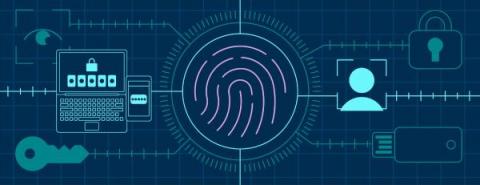
Passkeys vs. magic links: What are the differences?
The term ‘passwordless’ is easy to wrap your head around (no passwords!) but is often used as an umbrella term that includes passkeys and magic links sent via email or text message.
What Is the Safest Way To Send Sensitive Documents?
Sending sensitive information over the internet is often necessary, despite the risks. You may need to send copies of your passport to validate your employment status at a new job, or you might need to send tax forms with your social security number to your accountant. How can you send this information without making it vulnerable to cybercriminals? Using a software platform that uses zero-knowledge encryption is the most secure way to share sensitive information and files.
What is Doxxing?
Doxxing, also spelled doxing, is when a threat actor publishes Personally Identifiable Information (PII) about their target online. This can include publishing the target’s place of employment, home address, credit or debit card numbers and any other sensitive information. The purpose of the threat actor publishing another person’s PII varies, but most commonly has to do with harassment.

How to Secure Your PayPal and Venmo Accounts
PayPal and Venmo are online platforms that let businesses and individuals send and receive payments. You can secure your PayPal or Venmo account by using a strong password, setting up Multi-Factor Authentication (MFA) and using other security features available. Since these accounts handle financial transactions and sensitive information, they are common targets for cyberattacks.
Save, sign in, and unlock with passkeys
How to Make Your Email More Secure
You use your email address for a wide variety of things such as when you’re shopping or setting up an online account. Because your email is linked to so many different accounts, securing it is crucial to keeping your other accounts safe, since most password resets are sent to your email address. To make your email more secure you should create a strong password, enable MFA and always log out of your account.
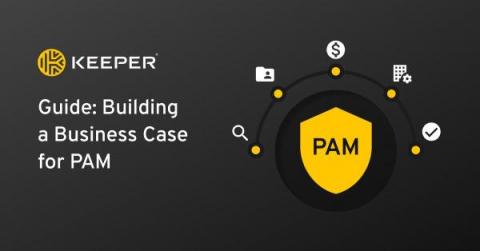
Making the Business Case for PAM Deployment
Privileged Access Management (PAM) solutions are designed to protect organizations from a variety of threats that target privileged accounts, credentials and access. These solutions help to secure, manage and monitor access to critical systems and sensitive data.
How a Password Manager Enhances Productivity
People who don’t have a password manager often struggle with forgetting their passwords and having to reset them when attempting to log in to their online accounts. This is frustrating, time-consuming and leads to a loss in productivity. A password manager enhances your productivity since it remembers passwords for you, aids you in generating strong passwords and autofills your login credentials, saving you time to focus on more important tasks.