Security | Threat Detection | Cyberattacks | DevSecOps | Compliance

How To Protect an Enterprise Database From Privilege Abuse

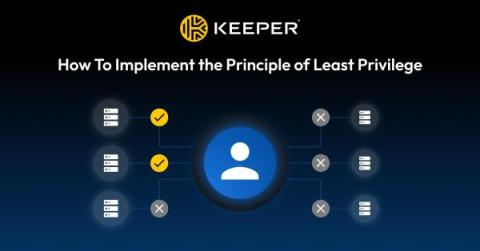
Organizations can protect their enterprise database from privilege abuse by implementing the Principle of Least Privilege (PoLP), following a zero-trust security approach and investing in a Privileged Access Management (PAM) solution. Continue reading to learn what privilege abuse is, the risks of privilege abuse in an organization and how to prevent it.

How Does a PAM Solution Help Organizations Meet CIP Cyber Security Standards?

The North American Electric Reliability Corporation’s Critical Infrastructure Protection (NERC CIP) standards are a comprehensive set of requirements that ensure the security and reliability of the North American power grid. These standards address both the physical security and cybersecurity of the bulk electric system, mandating measures to protect critical assets from potential threats.

What Is Ransomware as a Service?

Ransomware as a Service (RaaS) is a business model in which cybercriminals develop and sell ransomware to buyers known as affiliates who use it to execute ransomware attacks. Ransomware is a type of malware that prevents users from accessing their data or devices by encrypting them and locking users out until a ransom is paid. Typically, cybercriminals need to know some coding to develop and execute ransomware attacks.

Random but Memorable - The Festive Quiz Special ft. Jack Rhysider and Carole Theriault

It's our final episode of the year! We’ve pulled together a panel of special guests for the fun and festive Security Quiz of the Year - 2023 edition. 🎄📝🎅 Podcasting royalty, Jack Rhysider from Darknet Diaries and Carole Theriault from Smashing Security, join the panel to help us unpack another year in cybersecurity. Bring on the belly-laughs! 🤣 We also crown the ultimate winner of HackerNoHacker in the grand finale, and unveil our brand new game for 2024: Security Blank. 🥳👑

What Are Dark Web Scans?

Dark web scans, also known as data breach scans, are scans that let you know if your personal information, such as your email and login credentials, is on the dark web. There are several free and paid dark web scans available online to use and each of them works differently. Continue reading to learn what the dark web is, how dark web scans work and how to initiate a dark web scan.

How To Know if Your Smart TV Was Hacked and What To Do

You can tell your smart TV has been hacked if you notice unusual activity on your smart TV, strange popup windows, changed privacy and security settings, slow performance and unauthorized access to your accounts. Surprisingly, smart TVs can get hacked just like any other Internet of Things (IoT) device that connects to the internet. Cybercriminals can hack your smart TV to spy on you or infect other devices on the same network. You need to secure your smart TV to protect it from hackers.

What Is Quishing?

QR code phishing, most commonly referred to as “quishing,” is a type of phishing attack that tricks users into scanning QR codes to steal personal information such as login credentials or credit card numbers. When a user scans a QR code created for a quishing attack, they are taken to a malicious website that either downloads malware on their phone or asks for their personal information.

What To Do if Your Credit Card Information Is on the Dark Web

If your credit card information is on the dark web you need to immediately contact your credit card issuer, monitor your online accounts for any suspicious activity or transactions, check your credit report and place a fraud alert on your credit report as an extra precaution. Continue reading to learn how your credit card information could have gotten on the dark web and how to keep your credit card information safe in the future.