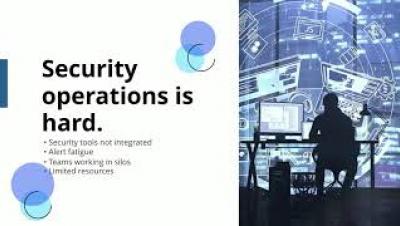
ThreatQ in 3 Minutes
Learn how the ThreatQ Platform solves the challenges of security operations.


Cybersecurity automation is a hot topic as organizations wrestle with the challenges of increasing attack volumes, cybersecurity skill shortages, and how to make the best use of limited resources to protect the enterprise. However, when it comes to implementing automation with a target of achieving extended detection and response (XDR), it can be hard to know where to start and how to build a case for investment.
Responsible for supervising nearly $1Trillion of assets across 30 banks and financial institutions, SAMA plays a crucial role in ensuring economic and financial stability within the Kingdom of Saudi Arabia. The SAMA Cyber Security Framework and Threat Intelligence Principles are mandatory regulations for all member organisations regulated by the Saudi Arabian Monetary Authority (SAMA) operating within the Kingdom of Saudi Arabia.
From the team at ThreatQuotient, we hope you had a wonderful 2022 and are looking forward to an even better 2023. As we ring in a new year, we thought it would be fun to look into our crystal ball and share some predictions for the coming year.
Since the conception of mankind, our world has thrived on innovation. It solves problems and drives progress, moving our world forward generation after generation. Innovation has led to the development of new technologies, products, and services that solve problems and meet the needs of people in ways that were previously not possible. From the wheel and the printing press to electricity, cars, computers and the internet – it’s hard to imagine a world without these inventions.