Stranger Danger Live Hack! Your Java Attack Surface Just Got Bigger
Snyk helps software-driven businesses develop fast and stay secure. Continuously find and fix vulnerabilities for npm, Maven, NuGet, RubyGems, PyPI and more.


Recently, we released the JVM Ecosystem Report 2021. This annual report is full of interesting facts about the current state of the Java ecosystem. If you haven’t seen it yet, you should give it a read. Don’t forget to download the full PDF for all the insightful information.
In the first part of this blog series, we looked at security best practices for the base images which you might be using. But what happens to container image security when we add other things to it? Perhaps we’re installing additional software from upstream, and we’ve got custom applications of our own which might have their own dependencies also being installed.
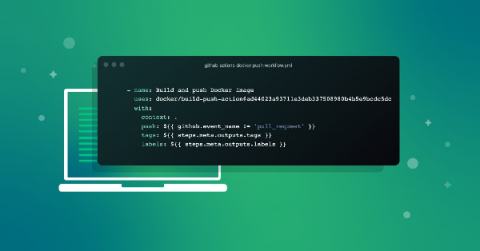
If you’re doing open source development today, chances are high that you’re active within the GitHub community — participating in open source projects and their repositories. A recent addition to the GitHub ecosystem is GitHub Packages, which was announced back in 2019 and is now receiving even more updates with the general availability of the GitHub Packages container registry.
Misconfigurations in infrastructure as code (IaC) can be just as dangerous as vulnerabilities in code. Small mistakes in configuration can lead to the sensitive data being readable on the internet, or private endpoints and dashboard accessible to the anonymous users and abused as the initial point of compromise. Recent security research findings indicate the rise in malware targeting the Kubernetes platform which showcases the need for secure configuration.
When you start scanning your container images, it can be disconcerting to discover that you have large numbers of vulnerabilities. Below is a scan I did last week on a vulnerable node image that I built. While a fairly extreme example, you can see that this image out of the box is showing as having over 800 vulnerabilities in it.
I recently caught up with Phil Guimond, Principal Cloud Security Architect at ViacomCBS. He describes his role as a fancy way of saying he likes to be involved in All The Things™. This includes cloud security and architecture, application security, penetration testing, and digital forensics and incident response, and even vendor reviews and risk management from time to time. He works in a very cross-functional team. We had a great discussion, and I wanted to share it with all of you.