Data theft is one of the main concerns for organizations in terms of cybersecurity. Despite the advances made in protection and action protocols, there have been numerous cases in recent months of corporate and third-party data being compromised, putting organizations’ businesses and their customers' privacy at risk.
Digital identity refers to the collection of data that represents an entity online. Digital identity can represent users, organizations or electronic devices and consists of their accounts, credentials, certificates, behaviors and usage patterns. In Identity Access Management (IAM), digital identity is needed to authenticate a user and authorize their permissions to access sensitive data.
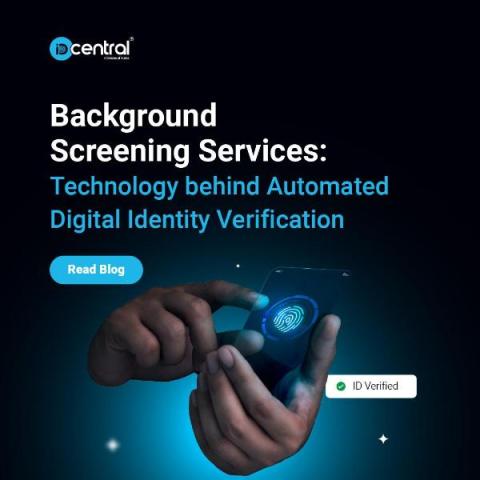
Imagine a world where the act of verifying an individual’s identity is as effortless as a mere click, yet it possesses the depth and thoroughness of the most detailed manual inspection. This is the reality shaped by digital identity verification, a groundbreaking process that has dramatically transformed the landscape of background screening. In this digital epoch, the accuracy and speed of identity verification have been catapulted to unprecedented levels.
Know Your Customer (KYC) isn’t merely a regulatory requirement; it’s the linchpin of financial integrity and security. In an era where fraudulent activities and money laundering schemes are increasingly sophisticated, KYC stands as the first line of defense. It serves a dual purpose: safeguarding financial institutions from becoming unwitting accomplices in illegal activities and protecting the economy at large from financial crimes.