Security | Threat Detection | Cyberattacks | DevSecOps | Compliance

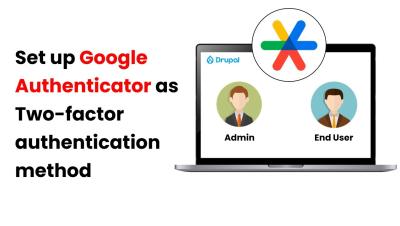
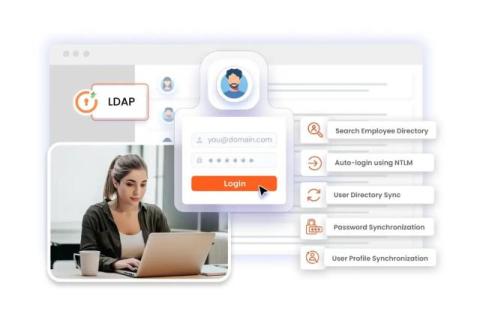
Drupal Two factor Authentication (2FA) - Google Authenticator

Having a Second Factor Authentication while logging into any service we use, has become a norm these days. You also get a reward for activating or enabling MFA in some cases - which is something extra I guess. If you'd like to add this extra layer of security to your Drupal site, you're in the right place. In this video, we’ll walk you through how to configure Google Authenticator as the Two-Factor Authentication (2FA) method for End Users as well as Admins in your Drupal site.

Why Security Teams Must Rethink Incident Response for Identity Attacks

Blocking a CEO's account to stop an anomaly? It might stop your business too. When implementing Identity Threat Detection and Response (ITDR), security teams must balance robust protection and business continuity. In this clip, our expert explains why blindly blocking access can cause more damage and how identity-proofing methods, like 2FA and push notifications, offer a smarter approach. Rethink your strategy to keep security seamless.

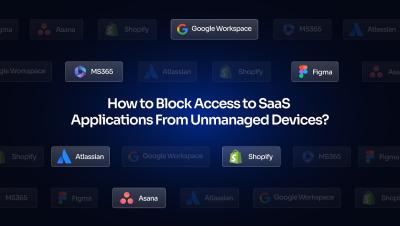
How to Block/Allow Unmanaged Devices from Accessing SaaS Applications?

Are your employees accessing apps like Google Workspace, Microsoft 365, or Salesforce from personal devices? This poses a major security risk to your business! In this video, we’ll show you how miniOrange CASB (Cloud Access Security Broker) helps you block unauthorized devices, enforce device-based access control, and secure your SaaS environment — all in real-time.

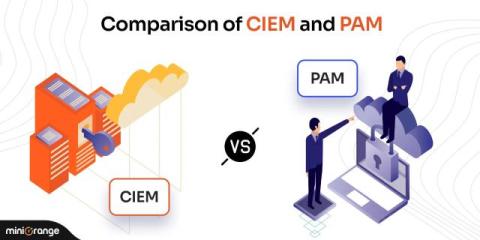
CIEM vs PAM: Which Is Better for Privileged Access Management?

CIEM vs. PAM, which one to go for? Both are cloud access management solutions, but differ in certain aspects. Where CIEM works on handling cloud entitlements, PAM focuses on securing credentials in a vault, and controlling privileged access.