Security | Threat Detection | Cyberattacks | DevSecOps | Compliance



Exchange Cash to Tether ERC20 (USDT)
Tezos blockchain is now available on Fireblocks
Tezos, an open-source, decentralized blockchain focused on energy efficiency and scalability, is now available on Fireblocks. Fireblocks users can securely custody FA1.2 and FA2 token standards on Tezos and leverage Fireblocks’ Web3 Engine to build new products and services on the Tezos blockchain.
Fireblocks Adds Support for New Token Standards on the Tezos Blockchain
Fireblocks expands its support for Tezos blockchain, extending institutional access and support to the growing DeFi and Web3 ecosystem. Fireblocks users can securely custody FA1.2 and FA2 token standards on Tezos and leverage the Fireblocks’ Web3 Engine to build new products and services on the Tezos blockchain.

Advancing Web3 Starting with Custody: Insights and Resources
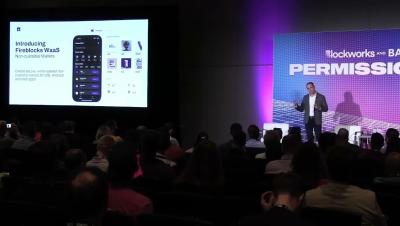
At the recent Permissionless II, Fireblocks CEO and Co-Founder, Michael Shaulov announced the launch of the non-custodial wallets-as-a-service (WaaS) in his keynote “From Hesitation to Innovation: How Brands Can Successfully Navigate the Web3 Maze” to a standing-room-only audience. This blog features resources to help guide you as you build in Web3, including the keynote at Permissionless, white papers, a new webinar, and technical documentation.
Fireblocks powers Reserve Bank of Australia CBDC pilot
Fireblocks provided custody and tokenization technology for almost half of the pilot use cases at the recently concluded Digital Finance CRC (DFCRC) and the Reserve Bank of Australia’s (RBA) central bank digital currency (CBDC) pilot program. The PoC saw the secure minting and burning of the new CBDC, called eAUD. In addition, Fireblocks powered policy-based administration of the smart contracts and transfers to end customers.
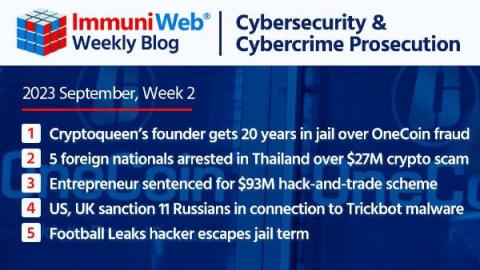
Cryptoqueen's Founder Sentenced to 20 Years in Jail for a Fake Cryptocurrency Scheme
Read also: US and UK sanction 11 Russians in connection with Trickbot malware, Football Leaks hacker escapes jail term, and more.