The awaited OpenSSL 3.0.7 patch was released on Nov. 1. The OpenSSL Project team announced two HIGH severity vulnerabilities (CVE-2022-3602, CVE-2022-3786), which affect all OpenSSL v3 versions up to 3.0.6. These vulnerabilities are remediated in version 3.0.7, which was released Nov. 1. The vulnerabilities fixed include two stack-based buffer overflows in the name constraint checking portion of X.509 certificate verification.
Let’s dig deeper into the techniques used by attackers and the mitigations you should implement when ransomware on Azure affects you. By now, we should all be aware of ransomware from the constant news articles associated with this known threat. As we explained in the anatomy of a cloud attacks, ransomware is a way for attackers to make money when they gain control of your accounts through data encryption, therefore restricting your access to the system.
Container environments are highly dynamic and require continuous monitoring, observability, and security. Since container security is a continuous practice, it should be fully integrated into the entire development and deployment cycle. Implementing security as an integral part of this cycle allows you to mitigate risk and reduce the number of vulnerabilities across the dynamic and complex attack surface containers present.
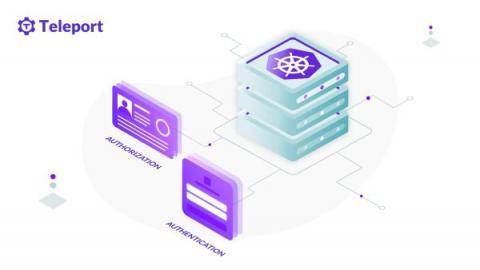
Kubernetes is a very complex product where creating and managing clusters requires a great deal of knowledge on a wide range of topics. The introduction of managed clusters brought simplicity to the process allowing users to focus on extracting the most out of the system. One of the areas of most interest and different configurations is authentication and authorization. In authentication, the main objective, and most critical of all, is to ensure the identity and validity of users and machines.
On November 1st, Dropbox disclosed a security breach where the attackers stole over 130 code repositories after gaining access to one of the employee’s GitHub accounts using the stolen credentials of that employee via a well-designed phishing attack.
With over 300 vendors exhibiting at KubeCon + CloudNativeCon North America 2022 (which is the long and official conference name), there was no shortage of early-stage vendors (230 at the silver and startup sponsor level) to visit for the 7000 attendees. Observability and security solutions were popular for the early-stage exhibitors.
What is different about cloud log management versus on-premises? The answer may seem simple, but several elements such as CloudTrail vs. CloudWatch come into play. In this article, we will cover some of the most important differences, and then dig deeper into a specific example of AWS CloudTrail vs. CloudWatch.
Hi there Ruby developers! If you’ve been looking for an effective way to establish a Ruby on Rails Docker setup for your local development environment, then this post is for you. It’s a continuation of our previous article on how to install Ruby in a macOS for local development. Ruby developers frequently need to account for a database when building a Ruby on Rails project, as well as other development environment prerequisites.