Kubernetes DevSecOps with Sumo Logic
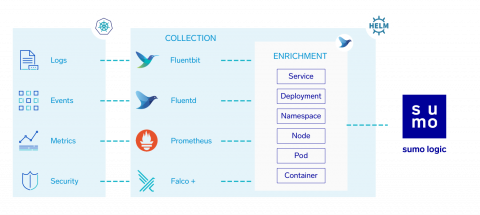
With Sumo Logic, we can put all of these pieces together to build end-to-end Observability in Kubernetes.


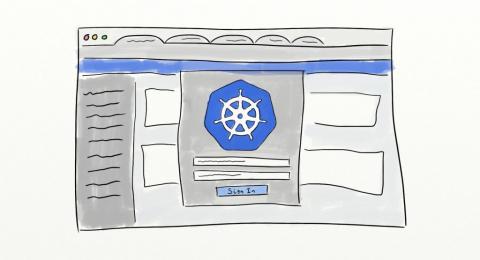
Over my last two posts (part 1 and part 2), I have investigated user authentication in Kubernetes and how to create a single sign-on experience within the Kubernetes ecosystem. So far I have explained how Open ID Connect (OIDC) works, how to get started with OIDC and how to perform a login from the command line. The final piece of this puzzle is the Kubernetes dashboard, often used by our engineers alongside kubectl.
Researchers at Netflix and Google recently reported a vulnerability in the HTTP/2 protocol that enables adversaries to execute a DOS attack by legitimate use of the protocol. These types of attacks are very difficult to detect and mitigate because the traffic is valid HTTP/2 traffic. While HTTP/2 is a relatively new protocol it should be noted that even after several years of hardening we still see vulnerabilities for the TCP protocol like the recently reported SACK vulnerability.
AquaSec’s Daniel Sagi recently authored a blog post about DNS spoofing in Kubernetes. TLDR is that if you use default networking in Kubernetes you might be vulnerable to ARP spoofing which can allow pods to spoof (impersonate) the IP addresses of other pods. Since so much traffic is dialed via domain names rather than IPs, spoofing DNS can allow you to redirect lots of traffic inside the cluster for nefarious purposes.
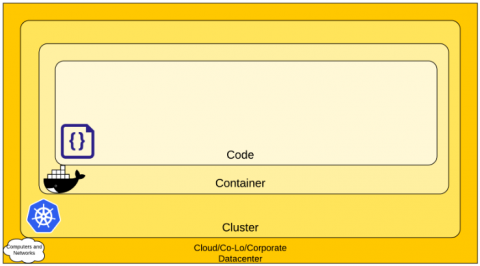
Containers have become a popular technology for enterprises that need to create agile, scalable and reliable applications. As they’re moving containerized workloads into production, many are adopting Kubernetes for container orchestration. While containerization enables DevOps to deploy software fast and efficiently, it also creates new security challenges, especially for those who’ve accelerated their implementation of this complex technology.