Security | Threat Detection | Cyberattacks | DevSecOps | Compliance




BeyondTrust's Morey Haber: The challenges for security operations teams due to identity-based risks in a remote working world
In this episode of the Future of Security Operations podcast, Thomas chats with Morey Haber, Chief Security Officer at BeyondTrust. BeyondTrust is a worldwide leader in Privileged Access Management (PAM), focused on addressing the most urgent cybersecurity challenges, including zero trust, ransomware, cloud security, and more.

Enterprise-Grade Security Hyperautomation

Counting the seconds: a method of showing automation value
Automation has revolutionized the way cybersecurity functions. Not only has it led to significant time savings, but it has also improved the consistency and accuracy of various processes. Here, we will discuss how to effectively record the time saved from automation to demonstrate its value. Tines offers great utilities to easily record the time an analyst has saved by automating manual, repetitive tasks over the course of a day, right down to the second.

From Threat Intelligence to Data-Driven Use Cases, the Evolution of Security Automation
Dave Krasik, Director of Product Management at ThreatQuotient, recently had a chance to speak with Ed Amoroso, CEO and founder of TAG Cyber, a leading cybersecurity advisory group, about the state of cybersecurity automation. They covered a lot of ground, and you can listen to the full interview here. Following are a few of the highlights.
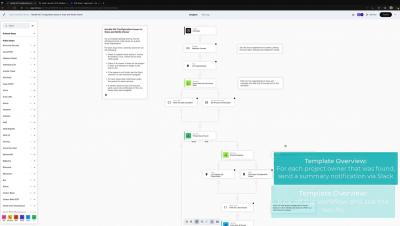

SOAR is Dead. Why HYPERAUTOMATION is What's Next.

Build APIs with Tines
Today, we’re announcing the ability to build APIs with Tines. Now you can create powerful workflows by connecting more tools and processes together - all without any code at all.
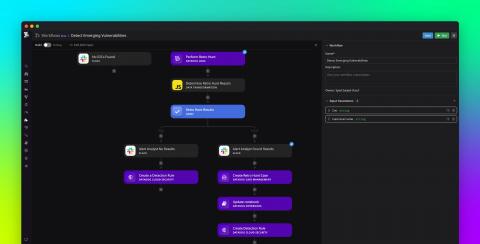
Automate common security tasks and stay ahead of threats with Datadog Workflows and Cloud SIEM
Detecting and remediating security threats is a constantly evolving concern for modern DevSecOps and security operations center (SOC) teams. Moreover, manually investigating and responding to vulnerabilities and threats is time-consuming, laborious, and knowledge-intensive.

Inevitable security incidents: The Unavoidable Reality
Incidents are an inevitable part of security, no matter how airtight your processes and systems are or how small your company is. Organizations saw a 125% increase in incidents from 2020 to 2021. Despite the tremendous amount of investments in security by major companies such as Uber, Okta, Microsoft, FireEye, and even the US Government over the past half-decade or so – they have all been successfully targeted by cyber attackers.