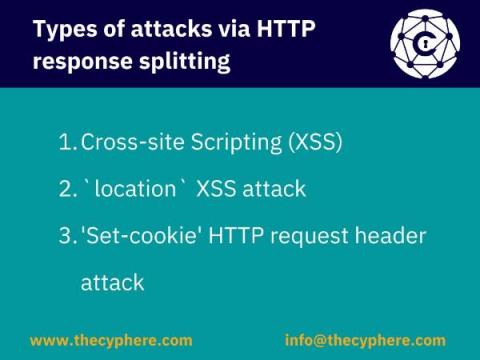
HTTP Response Splitting entails a kind of attack in which an attacker can fiddle with response headers that will be interpreted by the client. The attack is simple: an attacker passes malicious data to a vulnerable application, and the application includes the malicious data in the single HTTP response, thus leading a way to set arbitrary headers and embedding data according to the whims and wishes of the attacker.
The average company can’t do business without their third parties. Vendors, suppliers, partners, distributors, and contractors — third parties make it so much simpler to build, distribute and sell a product or service.
A few days ago, Snyk reported on a new type of threat vector in the open source community: protestware. The advisory was about a transitive vulnerability — peacenotwar — in node-ipc that impacted the supply chain of a great deal of developers. Snyk uses various intel threat feeds and algorithms to monitor chatter on potential threats to open source, and we believe this may just be the tip of a protestware iceberg.
Just a few years ago, security orchestration, automation and response (SOAR) was the new buzzword associated with security modernization. Today, however, SOAR platforms are increasingly assuming a legacy look and feel. Although SOARs still have their place in a modern SecOps strategy, the key to driving SecOps forward today is no-code security automation.