Defining Zero Trust Data Protection

The biggest fundamental shift in the era of digital transformation is that data is no longer on a CPU that the enterprise owns. Security teams focused on cloud must invest in the right technology to achieve more complete data protection, and we all need to ensure Zero Trust principles are applied everywhere data needs protection. At Netskope, we describe this as Zero Trust Data Protection. In its simplest form, Zero Trust means: Don’t trust the things you do not need to trust.


Top In-Demand Cybersecurity Skills in the Upcoming Years

Hey there, We recently ran a series of webinars* on how different-sized cybersecurity teams modernized their security operations and embedded polling questions within the webinars to gather some feedback. A set of possible answers was selected based on the ENISA NIS Investments report. In this blog post I’d like to share the results of the polls and the conclusions we can draw from them.

Splunk SOAR Playbooks: Conducting an Azure New User Census

In January and February of 2021, the threat actor called Hafnium used a number of post-exploitation tools after gaining access to Exchange servers through a zero-day exploit. One of their persistence methods was creating new user accounts in the domain, giving them the ability to log back into the network using normal authentication rather than use a web shell or continue to re-exploit the vulnerability (which has since been patched).

Azure security 101: Security essentials, logs, authentication, and more

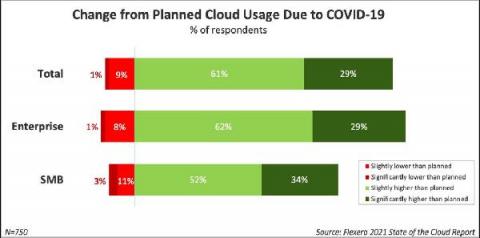
“Where necessity speaks, it demands”. This old saying seems particularly apt right now with the pandemic forcing organizations to completely change the way they think about their IT networks. That rapid shift to remote work has resulted in a massive demand for cloud-based services.

Sysdig Adds Unified Threat Detection Across Containers and Cloud to Combat Lateral Movement Attacks

Sysdig introduces continuous CSPM to the Sysdig Secure DevOps Platform, multi-cloud threat detection for AWS and GCP, and a new free-forever cloud security tier. With 70% of cyberattack breaches utilizing lateral movement, Sysdig uniquely detects and responds to threats across cloud and containers.

Cloud lateral movement: Breaking in through a vulnerable container

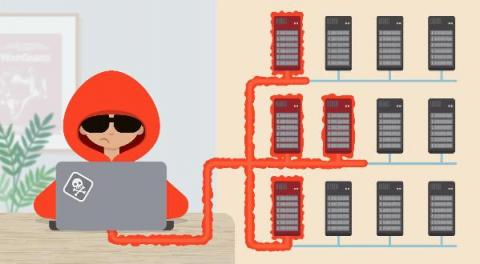
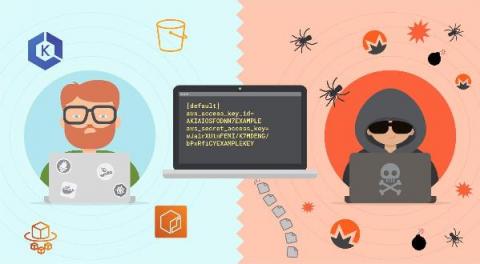
Lateral movement is a growing concern with cloud security. That is, once a piece of your cloud infrastructure is compromised, how far can an attacker reach? What often happens in famous attacks to Cloud environments is a vulnerable application that is publicly available can serve as an entry point. From there, attackers can try to move inside the cloud environment, trying to exfiltrate sensitive data or use the account for their own purpose, like crypto mining.

AWS CIS: Manage cloud security posture on AWS infrastructure

Implementing the AWS Foundations CIS Benchmarks will help you improve your cloud security posture in your AWS infrastructure. What entry points can attackers use to compromise your cloud infrastructure? Do all your users have multi-factor authentication setup? Are they using it? Are you providing more permissions that needed? Those are some questions this benchmark will help you answer. Keep reading for an overview on AWS CIS Benchmarks and tips to implement it.

Unified threat detection for AWS cloud and containers

Implementing effective threat detection for AWS requires visibility into all of your cloud services and containers. An application is composed of a number of elements: hosts, virtual machines, containers, clusters, stored information, and input/output data streams. When you add configuration and user management to the mix, it’s clear that there is a lot to secure!

Getting started with cloud security

Your application runs on containers and talks to multiple cloud services. How can you continuously secure all of it? With Sysdig you can. Continuously flag cloud misconfigurations before the bad guys get in. And suspicious activity, like unusual logins from leaked credentials. All in a single console that makes it easier to validate your cloud security posture. It only takes a few minutes to get started.