What is Hashing and How Does It Work in Cyber Security?

Hashing transforms a key or set of characters into a unique value from the original input, all for cybersecurity data validation and integrity checking. Hashing is a one-way process based on creating a value to associate with a specific data set. Security solutions providers like IDStrong use the highest level of hashing and encryption to protect their users' information. Organizations like IDStrong understand how critical safeguarding their consumer’s credentials is.
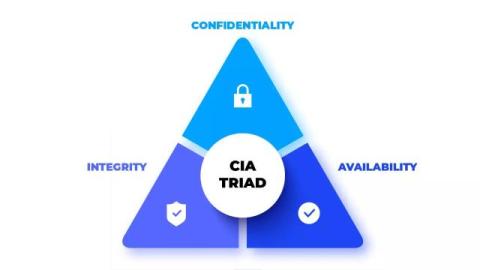
The CIA Triad: Confidentiality, Integrity, and Availability

The confidentiality, integrity, and availability (CIA) triad is a critical concept in cybersecurity, including three fundamental principles that help protect information. Organizations seeking a starting point for developing an information security framework would benefit from the triad model.

Rapid Data Heist: Akira Ransomware Group's Two-Hour Attack on Veeam Servers

In a startling development, the Akira ransomware gang has demonstrated a dramatic reduction in the time it takes to exfiltrate data from compromised servers. According to the BlackBerry Threat Research and Intelligence Team, this cybercriminal group managed to steal data from a Veeam server in just over two hours during a June attack on a Latin American airline.

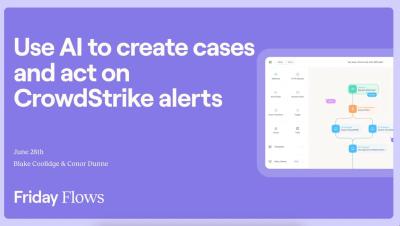
Friday Flows Episode 28: Use AI to create cases and act on CrowdStrike alerts

In today’s Friday Flows, Conor Dunne, from the Tines Labs team, walks us through a new story using AI to create cases and act on CrowdStrike alerts. As is the case with many alerts, there’s a lot of information, but it’s not always very clear. He first uses AI to simplify & normalize the data. Once that is done & a case is created, we can also use AI to act as a security analyst and respond with one of four actions: Suspend a user account Isolate a host Block a URL Alert the security team using PagerDuty.

Cases: A Year in Review

When we launched cases in early 2023, we saw how teams combined automation with their established processes to respond to known threats. And we realized we were missing a place for security teams to address those new or unknown threats. Enter cases, our solution to case management. Over the past year, our cases feature has become a place where teams can collaborate, track, and report on new and existing workflows.

Friday Flows Episode 27: Disabling AWS User from Hunters Alert with Jira Prompt

We're excited to bring you another workflow from the Tines library and to introduce your new Friday Flows host Cameron Higgs! The legendary Blake Coolidge is handing over the reins for a season but he'll be back on your screens before too long. In this episode, Conor Dunne walks Cameron through a workflow that pulls leads related to the Amazon Web Services (AWS) environment flagged by Hunters and searches for users with unauthorized permissions.

New Report: How SME IT Professionals Really Feel About Security, AI, MSPs, and More

Twice a year, JumpCloud commissions a survey of IT professionals working at small and medium-sized enterprises (SMEs). These surveys examine pressing current matters like the security landscape, emerging technologies, job outlook, and more. JumpCloud’s latest report was released on July 16. It surveyed 612 IT decision-makers in the U.K. and U.S. to get a read on the SME IT market, both today and where IT professionals think it’s headed in the future.

Espionage-Intent Threat Groups Are Now Using Ransomware as a Diversion Tactic in Cyberattacks

A new report focused on cyber espionage actors targeting government and critical infrastructure sectors highlights the strategic use of ransomware for distraction or misattribution. It was inevitable: a threat group using a secondary attack type to cover their tracks – whether those “tracks” are the groups true intent, who’s responsible – or to simply make some additional money after they’re done with the initial attack.