Sure, you can cut tools. But what about the cost of migration, retraining, and integration pain? Is consolidation saving you money — or shifting the burden to your people?#CyberSecurity.
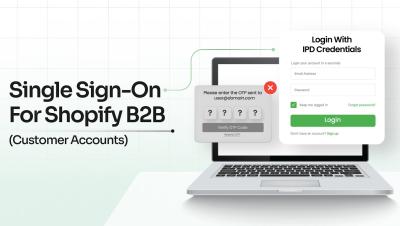
Shopify’s default OTP login is simple, but in real-world B2B use cases, it often creates more problems than it solves. Shared inboxes, OTP delays, and lack of control over the login flow can cost your business time, sales, and trust. With miniOrange, you bypass the default OTP flow and replace it with secure, flexible login options designed for real-world B2B needs. Here’s how Single Sign-On (SSO) and B2B login solutions help you.
Let’s call it what it is. What vendors call “stickiness,” users call lock-in. It’s time to use your RFPs to demand standards, openness and exit paths.#CyberSecurity.
Most enterprises run 50+ security tools. But more tools don’t mean more security — they mean more confusion. Burnout, inflated costs, and alert fatigue are becoming the norm.#CyberSecurity.
How much value are you really getting from your logs, and what are you giving up to stay on budget? In this episode of Logs and Lattes, host Palmer Wallace sits down with Seth Goldhammer, VP of Product Management at Graylog, for a candid conversation about the hidden cost of traditional SIEM pricing. Seth explains how ingest-based and resource-heavy licensing models pressure security teams into tough tradeoffs, such as dropping logs, tuning down detections, or limiting retention just to avoid budget overages.
PCI DSS 4.0.1 is here — but do you really know what’s changed? While version 4.0 brought major updates to cardholder data protection, PCI DSS 4.0.1 isn’t a brand-new overhaul. Instead, it delivers crucial clarifications and refinements that every business handling credit card data needs to understand. Why it matters in 2025: Global payment card fraud losses are projected to exceed $38.5 billion by 2030.
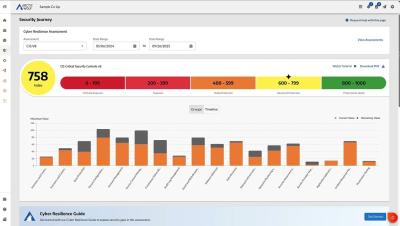
This demo illustrates how Arctic Wolf's Cyber Resilience Assessment helps customers assess risk against industry standard frameworks, plan mitigations, and communicate an organization's security posture.