Security | Threat Detection | Cyberattacks | DevSecOps | Compliance

How to Choose the Right Drug Test Saliva Kit for Your Industry

Not every employer needs the same drug screening program, and not every drug test saliva kit suits every workplace. A logistics company running a federally regulated fleet faces different testing requirements than a retail chain hiring seasonal workers. A hospital carries different exposure risks than a construction firm. Yet most guidance on saliva testing treats the decision as a simple product choice - list the panels, note the price, and leave employers to figure out the rest.

From Experience to Excellence: Unlocking Opportunities Through RPL

Have you ever wished your hard-earned skills counted for more? With Recognition of Prior Learning (RPL), they can. RPL values your practical experience, helping you turn work knowledge into formal qualifications and opening doors to career advancement. It's a direct way to turn what you know into new professional opportunities.

How a Crypto Recovery Lawyer Traces and Reclaims Stolen Funds

Cryptocurrency theft can feel irreversible because transfers clear fast, identities stay masked, and value can cross borders within minutes. In St. Louis, Missouri, and communities across the country, victims are grappling with these losses as crypto fraud continues to accelerate. In 2024, the FBI reported $9.3 billion in cryptocurrency-related fraud losses, a 66% increase from the prior year, with pig butchering schemes alone accounting for $5.8 billion across more than 41,000 complaints.

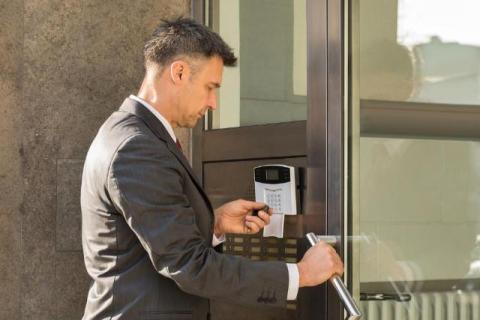
Why Walk-Through Metal Detectors Are Essential for Modern Facility Security

In an era where safety protocols are under constant scrutiny, the physical security of high-traffic facilities has become a primary concern for administrators, business owners, and event organizers. Whether it is a corporate headquarters, a government building, or an educational institution, the ability to screen individuals quickly and accurately for prohibited items is no longer a luxury - it is a fundamental requirement.

How Bank Statement Analyzer AI Tools Are Simplifying Financial Management

Managing personal finances has become significantly more complicated over the last decade. Most people no longer rely on a single bank account or one payment method. Daily transactions are spread across debit cards, credit cards, subscriptions, online banking platforms, digital wallets, and international payment systems. As financial activity becomes more fragmented, understanding spending habits manually becomes increasingly difficult.

Dokie AI Review: GPT Image 2 Makes AI-Generated PPTs Look More Professional

Many AI presentation makers can create slides quickly, but the final result often feels unfinished. The slide structure may be usable, but the visuals can look generic, random, or disconnected from the topic. This is where Dokie AI stands out. Dokie AI is an AI presentation maker built for creating PPT-style decks. It helps users generate structured presentations from prompts, notes, documents, or existing content. With the new support for GPT Image 2, Dokie AI has improved one of the most important parts of presentation quality: the images.

Why CCSS Level 3 Certification Is Becoming Critical for Crypto Payment Providers

The rapid growth of institutional crypto adoption is forcing companies to pay much closer attention to cybersecurity standards and infrastructure resilience. As digital assets become part of mainstream financial operations, businesses increasingly expect payment providers to demonstrate independently verified security practices rather than relying solely on internal claims.

Security Features in Delivery Software

Delivery management software handles more than routes and driver schedules. It also processes customer names, addresses, phone numbers, delivery notes, payment references, proof-of-delivery records, driver locations, and operational data. That makes it a security-sensitive system. If the platform is poorly configured, attackers may access customer information, disrupt dispatch, manipulate delivery records, or expose driver activity.

Smart Facility Safety Trends at Work

Modern facility safety is moving beyond static checklists. Workplaces now use connected systems, real-time monitoring, predictive maintenance, and environmental sensors to reduce risk before incidents happen. This shift matters because workplace hazards remain common. The U.S. Bureau of Labor Statistics reported that private industry employers recorded 2.6 million nonfatal workplace injuries and illnesses in 2023. Of those, 946,500 involved days away from work.

How Businesses Prepare for Security Risks

Security risk is no longer limited to locked doors or antivirus software. Modern businesses face physical threats, cyberattacks, insider mistakes, supply chain disruption, workplace violence, fraud, and data loss. Preparation starts with one idea. Risk must be managed before an incident occurs. A strong security plan connects people, technology, policies, and response procedures. It protects employees, customers, property, systems, and sensitive data.