Security | Threat Detection | Cyberattacks | DevSecOps | Compliance

Using Zero Trust to Mitigate Supply Chain Risks

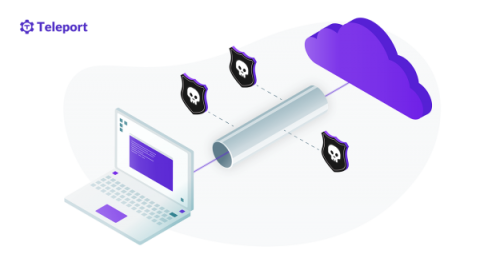
Software supply chain attacks have been on the rise lately. With the current pervasiveness of third-party and open source libraries, which presumably developers cannot control as strongly as the code they create, vulnerabilities in these software dependencies are causing serious security risks to applications. Supply chain attacks abuse the inherent trust that users have with a software provider.

Supply Chain Security, Compliance, and Privacy For Cloud-Native Ecosystems

Think of the software supply chain as every software element in your organization—from software development of internal systems to open source or third-party enterprise software to vendors, partners, and even past suppliers who still hold access to company data or IT systems. Attacks on this software supply chain can damage individual departments, organizations, or entire industries by targeting and attacking insecure elements of your software fabric.

Secret backdoor allegedly lets the REvil ransomware gang scam its own affiliates

REvil is one of the most notorious ransomware groups in the world. Also known as Sodin and Sodinokibi, REvil has made a name for itself extorting large amounts of money from businesses, operating as a ransomware-as-a-service (RAAS) business model that sees it share its profits with affiliates who break into networks and negotiate with victims on the group’s behalf.

How organizations handled incidents before and after deploying AIOps - Part 2

In this highly dynamic environment, organizations are looking for ways to innovate and manage resources efficiently. In the first part of the two-part blog series, we saw how organizations handled incidents without an AIOps solution and how long it took to resolve that incident — a scenario representing different steps to resolve an incident. In the second part of the two-part blog series, we look at how organizations were able to handle incidents after deploying AIOps.

Investigating GSuite Phishing Attacks with Splunk

Malicious actors are constantly finding new ways to deliver their malicious payloads. With the recent migration of businesses moving to web application-based services, file storage, email, calendar, and other channels have become valuable means for delivering malicious code and payloads. In some instances, these services are abused as Command and Control infrastructure since many enterprises trust these services by default.

The Importance of Prioritizing Product Security

Achieving comprehensive security for the products delivered and deployed by organizations is becoming more difficult, due to a variety of factors. A key one is the growing volume, variety and complexity of software and connected devices in use. Another is the overwhelming risk of inherited software supply chain exposures. The result: Companies struggle every day to provide software with optimal security and protection against malicious activities, takeovers, data theft, and commercial sabotage.

A kernel of truth: Linux isn't as foolproof as we may have thought

A world without Linux is hard to imagine. Every Google search we run is accomplished on Linux-based servers. Behind the Kindle we enjoy reading, to the social media sites we spend scrolling away every day sits the Linux kernel. Would you believe your ears if I tell you the world’s top 500 supercomputers run on Linux? No wonder Linux has permeated into every aspect of the digital age, not to mention its steadily growing enterprise user base.

How to shift into a new approach to cybersecurity asset management

The effects of the global pandemic pushed organizations to accelerate their digital transformation strategies. Because of this, companies in all industries were faced with an array of new technologies like cloud and containers that support the shift to edge computing and remote workers. With so much focus on these factors, companies often overlook some of the repercussions that come along with such rapid innovations. One of which is the need for a new approach to asset visibility.

The Top 6 Cybersecurity Challenges in the Healthcare Industry

The healthcare industry has always been an appealing target for cybercriminals. From high-value patient data to a low tolerance for downtime that could disrupt patient care, cybercriminals continue to find ways to take advantage of healthcare cybersecurity practices. In recent years, the healthcare industry has seen a 55% increase in cybersecurity threats, turning attacks on healthcare providers into a $13.2 billion industry and making it a gold mine for cybercriminals.