Security | Threat Detection | Cyberattacks | DevSecOps | Compliance

The prevalence of RCE exploits and what you should know about RCEs

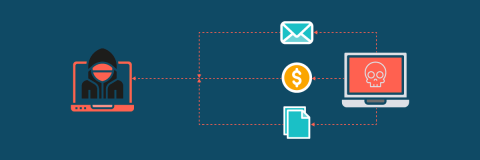
Recent headlines have indicated that some major companies were affected by Remote Code Execution (RCE) vulnerabilities, just in the month of October. RCE flaws are largely exploited in the wild, and organizations are continually releasing patches to mitigate the problem. RCE is a type of an Arbitrary Code Execution (ACE) attack where the threat actor executes malicious commands on the target’s device.

The Impact of AI on Cybersecurity: Balancing the Risks and Opportunities

As artificial intelligence (AI) advances, I am seeing a lot of discussion on LinkedIn and in the online media about the advantages it may bring for either the threat actors (“batten down the hatches, we are all doomed”) or the security defence teams (“it’s OK, relax, AI has you covered”).

SMB Cybersecurity: How Small Businesses Solve Big Challenges with CrowdStrike

The cybersecurity threats facing small and medium-sized businesses (SMBs) are real and growing. The FBI’s Internet Crime Complaint Center reports a majority of the 800,000+ complaints they received regarding cyberattacks in 2021 targeted small businesses. A cyberattack can cause significant damage to any organization. But for SMBs, a security incident that causes productivity loss, financial trouble or reputation harm can be devastating.

Walking Through Walls: Four Common Endpoint Tools Used to Facilitate Covert C2

Adversaries continue to find new and innovative ways to penetrate an organization’s defenses. Defenders who focus on plugging these holes can find themselves exhausted and frustrated. Hunting for adversarial defense evasion for the purpose of data exfiltration and command-and-control (C2), however, remains a good strategy. Many adversaries leverage tooling to establish C2 or to enable successful data exfiltration, all while evading an organization’s defenses.

A Guide To Container Security - Best Practices

With over 7.3 million docker accounts created in 2021, Docker’s popularity has seen a meteoric rise since its launch in 2013. However, more businesses using it also means attackers are incentivized to target docker vulnerabilities. As per a 2020 report, 50% of poorly configured docker instances were subjected to cyber-attacks. And it’s not that easy to spot these poor configurations either because you must conduct checks at multiple levels.

BYOD Security risks and best practices you can implement

The trend of “bring your own device(BYOD)” is increasing in popularity as more and more employees use their devices for work purposes. While BYOD can offer many benefits to businesses, such as increased productivity and flexibility, it poses some security risks. To protect your business from these risks, it is essential to have your device policy in place.

Devices: Allow Undock Without Having to Log On

The Devices: Allow undock without having to log on setting on laptops and computers is extensively used to provide people with the convenience of undocking their systems without having to log on repeatedly. This comes in handy for portable devices that need to be undocked from the docking station multiple times. You can just hit the eject button and safely get your laptop away from the docking station.

Can You Unlock Data And Eliminate The Risk Of Data Loss?

Companies accumulate massive amounts of data, whether it is intellectual property or customer and employee information. Data is a critical asset: it’s undeniable. If your business users have appropriate access to data, they can perform their jobs more efficiently and effectively, and they can analyze the data to derive key business intelligence that drives better business decisions. But if data isn’t protected from breaches, it can also be a liability.