For most organizations, a data breach can be catastrophic, resulting in loss of trust and revenue, and maybe even steep fines and penalties. When you add in a potential threat to national security, that breach becomes far more dangerous. That’s why the United States Department of Homeland Security implemented the Continuous Diagnostics and Mitigation (CDM) Program, which has become a cornerstone of federal cybersecurity.
Preparing for risk is critical to ensuring organizational resilience, but what about the risks that can’t be planned for? Businesses frequently fall into the trap of strategizing only for known risks—those that are easily anticipated—while failing to recognize their blind spots in relation to unknown risk events.
If you work for (or alongside) the United States government, then threat actors want your sensitive data. In 2023, federal agencies fell victim to 11 major cybersecurity incidents, with threats continuing to evolve well into 2024. Safeguarding federal and critical infrastructure organizations requires a modern cybersecurity framework. In today’s mobile-enabled workplaces, that means extending your data protection strategy to wherever devices are being used.
Possessing a resilient business allows for easy maneuvering around competitors during cyberattacks or supply-chain ordeal. In modern business, agility is paramount. New technologies and shifting markets have the potential to rapidly catalyze change. Still, external factors such as cyber attacks and natural disasters can disrupt the flow of even the most nimble businesses.
In today's digital world, users interact with a wide variety of platforms-email systems, project management tools, online portals, and internal company software. With every new service comes another set of login credentials, which leads to password fatigue, security risks, and poor user experiences.
The NIS2 Directive is raising the bar for cybersecurity compliance across the EU, pushing companies to reevaluate and strengthen their entire security architecture. With stricter requirements, broader sector coverage, and hefty penalties for non-compliance, many organizations are feeling unprepared for the level of transparency and resilience now expected. This shift is creating urgent challenges-especially for businesses with fragmented systems, limited incident response plans, or outdated infrastructure.
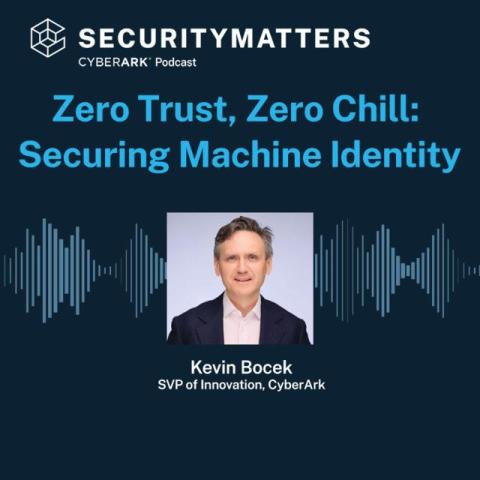
In this episode of Security Matters, host David Puner welcomes Kevin Bocek, CyberArk SVP of Innovation, for an insightful discussion on the critical role of machine identity in modern cybersecurity. As digital environments become increasingly complex, securing machine identities has never been more crucial.
With remote work, hybrid IT environments, and AI-enhanced automation on the rise, insider threats remain among the most damaging and difficult-to-detect risks in cybersecurity. Identifying malicious insider activity may take weeks or even months despite the many efforts companies put into building cybersecurity threat detection systems. You can increase your chances of uncovering malicious activity by studying insider threat techniques and applying diverse detection methods.
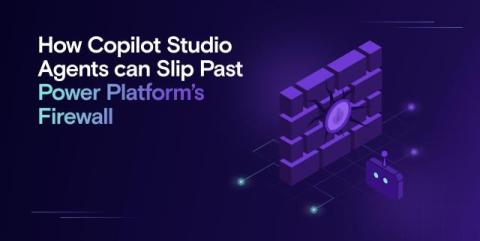
Standing on stage at Microsoft Build, surrounded by innovators shaping the future in the era of AI Agents, I felt equal parts inspired and responsible. Inspired by the rapid momentum around AI, and responsible for raising a flag about something we don’t talk about enough - how we secure the very systems that are now acting on our behalf. This post isn’t a recap, rather a continuation, a chance to go deeper into the story I shared (and the one we’re still writing.)