Interpol Nabs Suspected Key Member Of OPERA1ER Cybercrime Group
Read also: Poly Network hacked for the second time in two years, a massive phone scam disrupted and more.


Read also: Poly Network hacked for the second time in two years, a massive phone scam disrupted and more.
A bait-and-switch scam is a practice in which a vendor lures in a buyer with a tempting offer for a great product that the vendor does not intend to sell. This usually means advertising a too-good-to-be-true deal which, when the buyer is “baited,” is then “switched” out for a different offer.
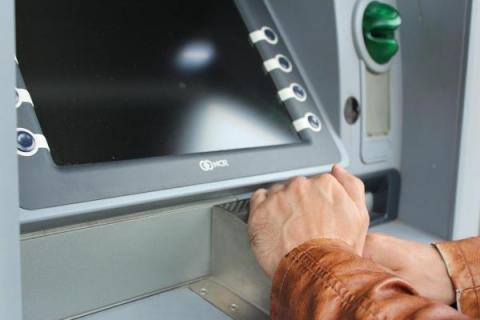
Picture a quaint, small town enveloped in the tranquility of a peaceful night. The only signs of life are flickering street lamps and the glow from the neighborhood automated teller machine (ATM). You spot someone approach the ATM, withdraw cash and walk away. It all looks so normal. What you don’t realize is that you have just witnessed a fraud attack, specifically, transaction reversal fraud (TRF).
Read also: Twitter hacker sentenced to prison, police rescued over 2,700 people forced to carry out scams, and more.
It’s a typical Monday morning. You’ve just brewed a comforting cup of tea and are about to dive into the weekend sales reports for your online store. As usual, business seems to be booming until a glaring anomaly catches your eye – an alarmingly high number of transaction reversals over the weekend. A sense of unease creeps in as you probe deeper, only to uncover a chilling truth. Your business has become the latest prey to an insidious form of fraud, chargeback fraud.
Picture a quaint, small town enveloped in the tranquility of a peaceful night. The only signs of life are flickering street lamps and the glow from the neighborhood automated teller machine (ATM). You spot someone approach the ATM, withdraw cash and walk away. It all looks so normal. What you don’t realize is that you have just witnessed a fraud attack, specifically, transaction reversal fraud (TRF).
VANCOUVER, B.C. June 15, 2023 – BC Tech is proud to announce the finalists across 9 Technology Impact Award categories who achieved exceptional success in the past year. As BC Tech celebrates the 30th Anniversary of the Technology Impact Awards, this year’s awards celebrates 30 years of innovation in BC.