Kubernetes posture management - no time to waste time
Five months ago, we decided to release a posture management solution for K8s and make it open source for everyone to enjoy it.
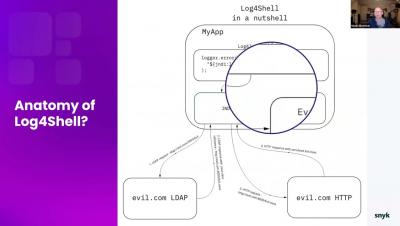
The last week has been a wild ride for just about everyone in the technology world due to the public disclosure of the Log4Shell vulnerability. As a developer security company, Snyk has built our business around proactive automation to identify and fix security issues in applications. To say we’ve been busy this week would be an understatement.
I am writing this from my home office in Texas. Texas isn’t just my home. It is the home of the best brisket on the planet, some of the most iconic high tech brands in the world, and energy production that powers the global economy. In the morning, I might meet with one of the fastest growing SaaS companies in the country about achieving the rigorous FedRAMP certification so they can sell to federal agencies.
At many organizations, the surprise discovery that the widely used Apache log4j open source software has harbored a longtime critical vulnerability was as if Scrooge and the Grinch had teamed up for the biggest holiday heist of all. Incident response teams across the globe have scrambled to remediate thousands, if not millions of applications. “For cybercriminals this is Christmas come early,” explained Theresa Payton, former White House CIO and current CEO of Fortalice Solutions.
No matter how you slice it, the use of containers and Kubernetes continues to swell. And recent high profile vulnerabilities-that-shall-not-be-named have shown us how important container security is for an overall application security program. Protecting your own code, your dependencies, and the containerized services you use are all a must.
With great automation, comes great risk. The advent of infrastructure as code brought about automation for the tedium of deploying, provisioning, and managing resources in public clouds with declarative scripts. However, this automation increased the importance of creating secure IaC scripts or configurations with cloud infrastructure misconfigurations being cited as the biggest area of increased concern (58%) from 2020 to 2021 in the 2021 Snyk Cloud Native Application Security report.