Mailchimp
Not subscribed to OpsMatters Newsletter


Companies are under more threat than ever. The rise in cyber threats is alarming: 2021 saw a 30% increase in cyberattacks compared with 2020. Even sophisticated systems with complex countermeasure technologies for security may be vulnerable to attack. Many organizations turn to hackers to counteract these threats. Ethical hackers use the tools and methods of malicious actors to help companies pinpoint their weaknesses and build a more resilient and secure system.
For a long time, security and development were two distinct aspects of programming. As organizations started to leverage software and technology as differentiating factors, the speed and quality of development became more important than ever. Organizations no longer had time after development was complete to address security vulnerabilities. Catching vulnerabilities too late opens companies up to unnecessary risk and can be costly to fix.
It was another eventful year for security professionals in 2022. The year began on the tail of the Log4j vulnerability, data breaches were on the rise, and ransomware attacks were as prevalent as ever. So it’s safe to say cyber resilience is required to be at the forefront for public sector leaders.
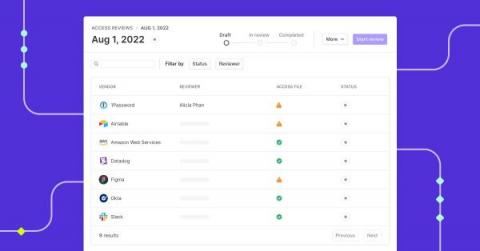
Savvy organizations usually deploy some type of identity and access management (IAM) solution. IAM solutions leverage the principle of least privilege (POLP), role-based access control (RBAC), or other such mechanisms to manage access to data, applications, and IT infrastructure. However, every organization's structure and human resources capacity typically change over time as new employees are brought on board and existing ones quit.
The System Administrator! AKA the Sysadmin. The keeper of the network, computers – well basically all things technology. The one who is hated for imposing complex passwords and other restrictions, but taken for granted when everything works well. They are the first to be called when “facebuuk.com” reports: “domain does not exist”.