Mailchimp
Not subscribed to OpsMatters Newsletter


Late in January this year, the UK’s National Cyber Security Centre announced an update to its Cyber Essentials scheme in order to ensure it “continues to help UK organisations guard against the most common cyber threats”. This year’s update isn’t an overhaul on the same scale as last year’s, but it did include important new guidance about zero trust architectures.
Identity management is reaching a tipping point. In 2022, we commissioned a survey of over 1,000 top IT security professionals for our 2022 Identity and Security Survey.
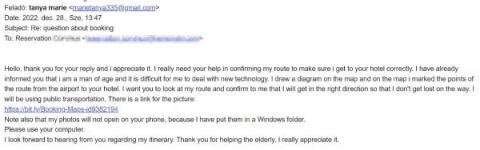
Since late December 2022, the ThreatSpike team has noticed a significant rise in highly targeted phishing campaigns aimed at the hospitality sector, which distribute infostealer malware. The threat actors (TAs) are primarily targeting front desk and reception staff, as they are responsible for handling customer queries via a generic email that can easily be found on the company website.
In a world where you can scan the veins in your hand to unlock a smartphone, how do you maintain control over personal data? Biometric authentication, the use of distinctive human features like iris patterns, fingerprints and even gait in lieu of a password, is gaining ground in the tech world. Proponents tout its inherent, hard-to-replicate qualities as a security benefit, while detractors see the same features as an invasion of privacy. Both sides may be right.