Mailchimp
Not subscribed to OpsMatters Newsletter


Here’s a detailed list of data breaches around the world you need to know about, compiled to present as far as 2012.
In the latest instalment of our interviews speaking to leaders throughout the world of tech, we’ve welcomed professor Michael S. Wills, SSCP, CISSP and CAMS at Embry-Riddle Aeronautical University.
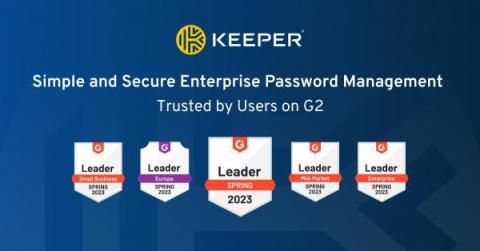
G2, a business-to-business (B2B) software site, released its Spring 2023 report on password management. The report is based on aggregated ratings from users on G2 and a comparison with other reviews for similar products. Keeper Security was rated as a leader in the Enterprise, Mid-market and Small Business categories. G2 users also named Keeper as a Leader in Europe, Best Usability and a Momentum Leader, along with other recognitions in the Password Manager category.
Tanium and Microsoft reveal more about their value-add for large organizations.
Monitoring SharePoint Server activity is vital to knowing who is accessing your SharePoint sites, services and content and how they’re using your system. Tracking SharePoint performance monitoring metrics can help you identify potential problems in time to stop them from negatively affecting your business. You can also use tracking activity to monitor the adoption and usage rates of SharePoint and determine areas that need improvement.
The transition to hybrid IT architectures and remote work strategies has greatly expanded the IT estates of most organizations in recent years. Couple this expansion with the growing number of computing and IoT devices that connect to company networks today and you understand why cybersecurity is a growing challenge: As your IT footprint grows, so does your attack surface.
Active Directory (AD) is a database and set of services that offers centralized management of IT infrastructure resources. It connects users with the resources they require to get their work done. Therefore, technicians must be able to quickly check and recover AD attributes that are modified or deleted by hardware failures, cyberattacks, scripting mistakes and other problems.