Mailchimp
Not subscribed to OpsMatters Newsletter


In the fast-evolving world of cybersecurity, the transition to remote work, the challenges of Zero Trust adoption, and the technology that supports it have taken center stage. Join me as we explore the insights of cybersecurity professionals and uncover the realities of this transformative journey.
One of the most critical aspects of cybersecurity is ensuring that all software is kept up to date with the latest patches. This is necessary to cover any vulnerabilities that cybercriminals could take advantage of in order to infiltrate an organization and launch an attack. With the volume of updates and the effort needed to install and configure them, it is good to know precisely when patches will be released.
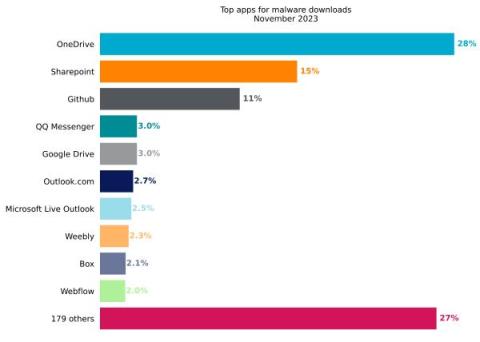
Netskope Threat Labs publishes a monthly summary blog post of the top threats we are tracking on the Netskope platform. The purpose of this post is to provide strategic, actionable intelligence on active threats against enterprise users worldwide.
For security researchers, there is a series of hurdles in raising a potential vulnerability well before the issue itself is widely recognized. Convincing the project maintainers that there is an issue becomes the first hurdle, even with a working example. At times, there is a thin and fuzzy line to a vulnerable path being identified as a bug rather than a security vulnerability.
Security Assertion Markup Language (SAML) is an XML-based framework that plays a pivotal role in enabling secure identity and access management. It acts as a trusted intermediary between various entities in a digital ecosystem, such as identity providers, service providers, and users. The primary purpose of SAML is to facilitate single sign-on (SSO), a seamless and efficient authentication process where a user can access multiple applications and services using a single set of credentials.
When FedEx founder Fred Smith attended Yale in the mid-1960s, he wrote an economics paper describing the concept of overnight delivery of packages by air. His professor infamously gave him a “C” grade because he viewed it as implausible. But Smith knew something his professor didn’t—and it was an idea that would change the way the business world worked forever. I bring this story up for two reasons. For one thing, I worked for FedEx and learned a lot from my time there.