Maximizing and Optimizing Your Splunk Enterprise Security
BlueVoyant’s MDR for Splunk and Splunk Enterprise Security creates a co-managed SOC to strengthen your security posture by maximizing and optimizing your Splunk Enterprise Security.


Security Researcher Tom Forbes worked with the GitGuardian team to analyze all the code committed to PyPi packages and surfaced thousands of hardcoded credentials.
Security information and event management (SIEM) systems play a pivotal role in cybersecurity: they offer a unified solution for gathering and assessing alerts from a plethora of security tools, network structures, and software applications. Yet, the mere presence of a SIEM isn't a magic bullet. For optimal functionality, SIEM systems must be appropriately set up, governed, and supervised round-the-clock.
In our rapidly evolving digital landscape, the accumulation of old electronic devices is a common occurrence. Laptops, smartphones, external hard drives, and USB flash drives quickly become outdated and obsolete, yet they often contain a wealth of sensitive information. Safeguarding your personal and confidential data during the disposal process is of utmost importance.
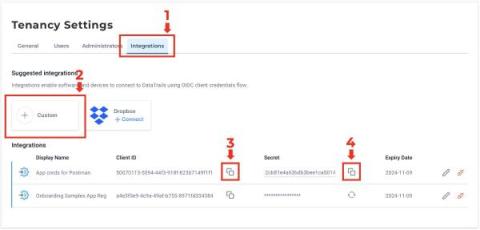
One of my favourite tools for playing with REST APIs is, of course, Postman. It can make interacting with DataTrails super quick and easy, and help you develop custom workflows for storing and validating your digital provenance and audit trails. Here’s a step-by-step guide to getting a robust Postman set-up configured, and if you head over the Postman public collections you’ll find a link to a pre-baked DataTrails Postman collection with this done for you, along with some example requests.
Rubrik has been assisting our customers with recovery from cyber attacks since 2018. We immediately took notice of these attacks, and early on, began developing processes and procedures to respond more effectively to better assist our customers. Our spirit of continuous improvement and execution of lessons learned from the field has led to a number of improvements to both our products and processes.
In the world of cybersecurity, have you ever wondered about the inner workings of threat actors as they attempt to breach systems, their methods, tactics, and strategies, and how they seamlessly converge to execute a successful attack? It's not merely about initiating an attack but also the strategies they utilize to remain concealed within the system, allowing them to persistently operate and ultimately achieve their goals.