Security | Threat Detection | Cyberattacks | DevSecOps | Compliance

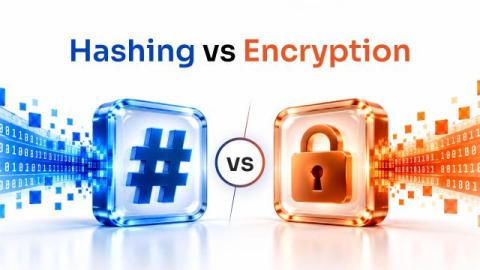
Hashing vs. Encryption: Differences, Use Cases, & Role in IAM

Your passwords, login tokens, and personal information need protection when you use an online service. Two technologies that help protect this information are hashing and encryption. Identity and Access Management (IAM) incorporates both, but they solve different security problems. Hashing helps verify passwords and detect changes to data. Encryption protects sensitive information that authorized users or systems need to retrieve. Understanding hashing vs.
Why Privileged Access Management Is Essential for GCC Organizations

Gulf Cooperation Council (GCC) enterprises are rapidly adopting cloud technologies and rolling out massive AI initiatives, with many moving from pilots into production. More systems now connect through APIs. That progress also expands your privileged attack surface. When you give users unchecked access to critical systems, even one compromised identity can bring everything down.

Identity Threat Protection: What It Is, How It Works, and Best Practices

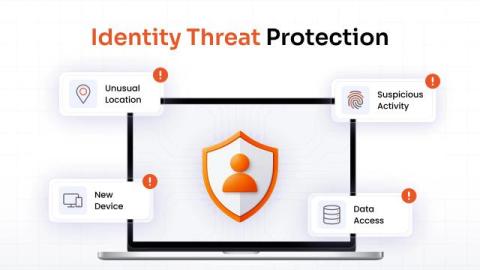
Identity Threat Protection (ITP) helps organizations detect and respond to threats by monitoring identity activity, analyzing risk signals, and applying security controls. This guide covers what identity threat protection is, how it works, its key capabilities, and the best practices organizations can follow to protect identities.

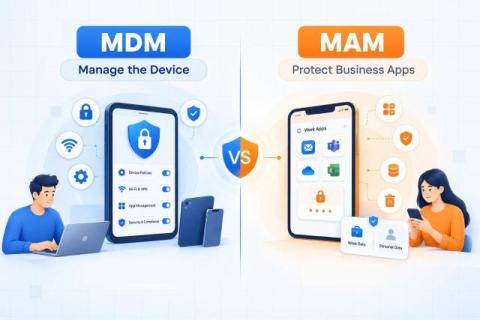
MDM vs. MAM: Which Mobile Management Option Fits Your Business?

Every IT team managing a mobile workforce eventually hits the same fork in the road: do you manage the whole device, or just the apps that matter? That question sits at the heart of the MDM vs. MAM debate. Getting the answer wrong can mean either locking down employee phones so tightly that people revolt, or leaving corporate data exposed on devices you barely control. Mobile Device Management (MDM) and Mobile Application Management (MAM) solve overlapping problems in very different ways.

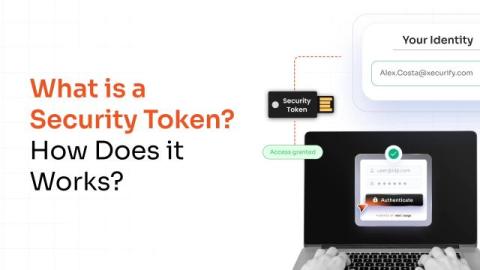
What Is a Security Token? How Does It Work?

A security token is a physical device, digital object, or software credential that helps verify a user's identity before granting access to a system, application, network, or account. Depending on the type, it can generate a one-time password (OTP), store cryptographic credentials, or work with an authentication system to prove that the person requesting access possesses the authorized token.

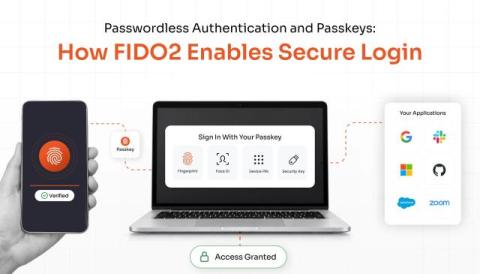
Passwordless Authentication and Passkeys: How FIDO2 Enables Secure Login

Password-based authentication is slowly disappearing from the login experience in 2026. Instead, users increasingly authenticate with a fingerprint, device PIN, or security key without typing a password. This is where passwordless authentication and passkeys come in. Built on FIDO2 and WebAuthn, passkeys use cryptographic credentials to make passwordless login simpler for users while reducing exposure to phishing and credential theft. But passkeys are only one part of the picture.

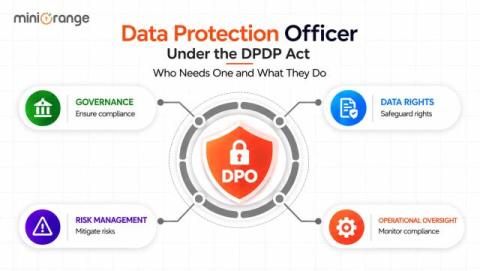
Data Protection Officer Under the DPDP Act: Who Needs One and What They Do

Not every organization that processes personal data has to appoint a Data Protection Officer. Under India's Digital Personal Data Protection Act, 2023, this duty applies only to Significant Data Fiduciaries (SDFs), a category the government assigns based on the scale and sensitivity of the data an entity handles. So before you assume your business needs a data protection officer, it helps to know exactly where this obligation begins and ends.

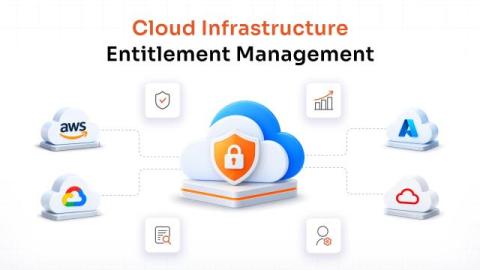
Cloud Infrastructure Entitlement Management (CIEM): A Complete Guide

In the cloud, an identity is no longer necessarily a person. It can be an application calling an API, a workload accessing storage, a service account running an automated process, or a machine interacting with another cloud resource. Each needs permissions to operate, and each becomes part of an access environment that changes as quickly as the infrastructure itself. This has expanded identity security beyond managing users and accounts to governing a much larger ecosystem of human and non-human access.

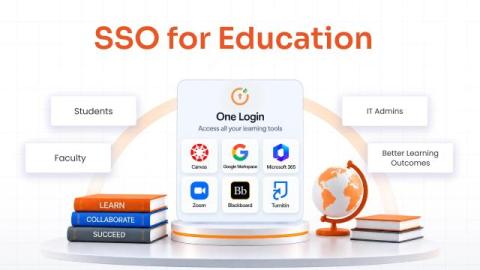
SSO for Education: Secure and Simplify Access to Learning Applications

Students, teachers, and faculty now move across a growing stack of learning, collaboration, communication, and administrative applications. Every new platform can mean another login to remember and another account for IT teams to manage. That creates friction for users and a growing access-management burden for institutions. SSO for education brings these applications behind a central authentication layer, allowing users to access authorized services with one institutional identity.

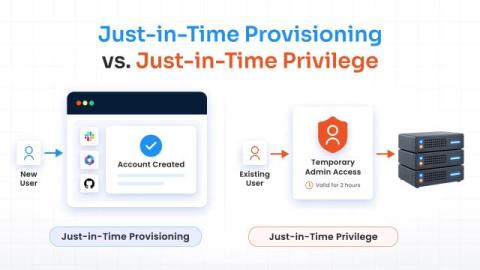
Just-in-Time Provisioning vs. Just-in-Time Privilege: What's the Difference?

Just-in-Time Provisioning and Just-in-Time Privilege sound almost identical, but they solve different identity management challenges. Let’s say a new software engineer joins your team. They need access to Slack, Jira, GitHub, and other essential apps. Instead of having an IT admin create their account manually, the application creates the account when the employee signs in through your Identity Provider (IdP). That is JIT provisioning.