GitHub is hardening Actions with deterministic dependencies, scoped secrets, and policy controls. Teams still need immediate detection and remediation for today’s risk.
Security maturity was the thread running through BSides MKE 2026, from clearer business language to role clarity, AI governance, and non-human identity risk.
Recent supply chain attacks stayed live for hours. Automation tools silently merged their malware in minutes. Read how upgrade bots and AI agents became the insider threat.
The data from this year's State of Secrets Sprawl report shows that AI is not creating a new secrets problem; it is accelerating every condition that already made secrets dangerous.
At Gartner IAM Summit 2026, the strongest conversations were about machine identities, AI agents, secrets, trusted integrations, and the growing realization that credential abuse now sits much closer to the center of enterprise risk.
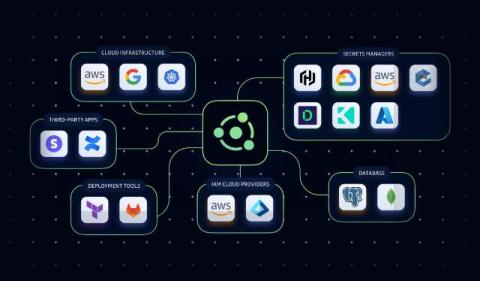
Learn how GitGuardian supports NHI governance with a secrets-first model that improves visibility, reduces sprawl, and helps teams manage machine identity risk.
What resonated most at RWC 2026? GitGuardian highlights key research on private key leaks, password managers, trusted execution environments, and secret sprawl.
AI was everywhere at RSAC 2026, but the real focus was operational security: managing agents, protecting secrets, and controlling trusted integrations at scale.
Supply chain attacks cascade through ecosystems in ways traditional metrics hardly capture. GitGuardian evaluates the PCP Team incidents and finds damage spread to thousands of public targets.
BSides SF 2026 explored how identity risk, production drift, and developer tooling are changing modern security strategy for defenders and platform teams.