Beyond creating and deploying software, security should be the biggest focus of technological development. No matter how cool something is, if it isn’t secure, if it cannot protect the information it contains, it will ultimately fail – or be the subject of enough major lawsuits that it will be shut down or have to disappear.
While the move to microservices-based architecture is relatively new, it is already mainstream. A majority of companies are choosing it as their default architecture for new development,and you are not cool if you are not using microservices. With regards to migrating legacy apps and breaking them down to microservices, companies are showing more conservatism, and rightly so.
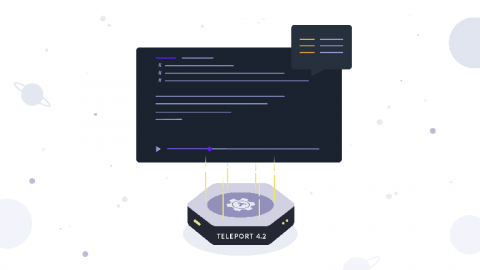
Teleport 4.2 delivers a strong foundation of new features. We have a full list of improvements and fixes attached to our Teleport 4.2.0 GitHub release. Below are a couple of the highlights. Teleport now provides greater visibility into what’s happening during a Teleport session with our Enhanced Session Recording. We’ve also laid the groundwork for a world of possibilities with our enterprise-only Role Escalation via a Workflows API.
Golang developers care a lot about security and as Go modules become more widely used, they need more ways to assure these publicly shared files are safe. One unique feature included with Golang version 1.13 is the foresight that went into authentication and security for Go modules. When a developer creates a new module or a new version of an existing module, a go.sum file included there creates a list of SHA-256 hashes that are unique to that module version.