Security | Threat Detection | Cyberattacks | DevSecOps | Compliance

The Latest Cybersecurity News & Insights From Around The World


Access AWS RDS Databases in EKS Using Teleport Machine ID Without Passwords
At Teleport we love modern infrastructure and open-source software, but don't like static credentials and passwords. This created a challenge for us when deploying Temporal, an open-source workflow automation software on EKS: Temporal always requires a password to authenticate to the backend RDS database. To solve this problem, we turned to Teleport Machine & Workload Identity.
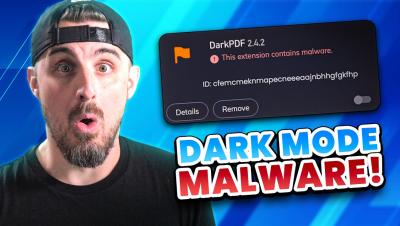
How Dark Mode Got Me Hacked
The infamous Light Mode vs Dark Mode battle has been waging for some time... I've always been a Dark Mode person, but now, I think I might be changing sides. A PDF Dark Mode converter extension I've used for some time turned out to be malicious, so I set out to determine how this happened and how I can prevent it from happening again.
Understanding Cryptographic Mechanisms
Cryptographic mechanisms protect the integrity of audit tools by ensuring that the data they collect is trustworthy. Most systems constantly run audit tools in the background, system activity such as user logins, file changes and network activity is monitored and recorded. These records are vital to system administrators for compliance, forensic analysis and security monitoring. Using cryptographic mechanisms is vital to the integrity of this data.
How to Backup and Restore OpenShift Virtualization with CloudCasa
In this insightful demo about backing up and restoring containerized virtual machines within the Red Hat OpenShift Virtualization platform. In this video, Martin provides a detailed walkthrough of the OpenShift console, shows how to register and manage your cluster with CloudCasa, and guides you through the steps of executing a backup and restoration of a VM from one OpenShift cluster (on-premise) to another OpenShift cluster hosted in the AWS infrastructure. This tutorial is essential for IT professionals and system administrators seeking to enhance their data protection strategies for containerized environments.

Automatic dependency updates have never been easier
Implementing Mend Renovate Enterprise has never been easier: 24/7 support, dedicated team guidance, and additional features for increased productivity. Book a time with a product specialist to learn more.

CTO vs VP R&D
Implementing Mend Renovate Enterprise has never been easier: 24/7 support, dedicated team guidance, and additional features for increased productivity.
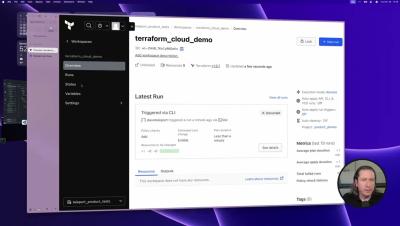
Teleport Terraform Provider on Terraform Cloud
This video walks through how to setup the Teleport Terraform provider for use with HCP Terraform or self-hosted Terraform Enterprise, a new feature in Teleport 17.
Datadog Integration for Access Requests
See how to set up the Datadog Integration for Access Requests, new in Teleport 17. Notify the right team members immediately through Datadog incidents so users can get just-in-time access to critical resources.
Why a solid DevOps foundation is vital for effective DevSecOps
As DevOps adoption has grown, organizations are pushing code into production faster than ever. However, the fast pace of DevOps has led many developers to view security as a bottleneck or afterthought, which means security teams need a new approach to keep up.