Security | Threat Detection | Cyberattacks | DevSecOps | Compliance

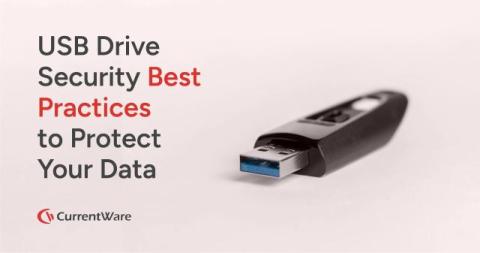
USB Drive Security Best Practices You Need to Implement Now

I’ve seen more data breaches caused by USB drives than you think. Not fancy hacks. Not nation-state attacks. Just people moving files quickly because they had to get something done. A USB drive feels harmless. It’s small, familiar and fast. You plug it in, copy a file, unplug it and move on. That’s exactly why it’s dangerous. USB flash drives and external storage devices carry the most valuable data an individual or organization owns. Contracts. Client records.

The Insights Dashboard

Teramind’s Insights Dashboard transforms how you can monitor productivity and security across your entire organization. Powered by over a decade’s worth of behavioral data, our Insights Dashboard leverages advanced machine learning and AI technology to reveal anomalous employee behavior patterns and critical rule violations automatically, giving you a clear picture of any outlier user behavior in seconds.

USB Drive Security Best Practices to Protect Your Data

I’ve seen more data breaches caused by USB drives than you think. Not fancy hacks. Not nation-state attacks. Just people moving files quickly because they had to get something done. A USB drive feels harmless. It’s small, familiar and fast. You plug it in, copy a file, unplug it and move on. That’s exactly why it’s dangerous. USB flash drives and external storage devices carry the most valuable data an individual or organization owns. Contracts. Client records.
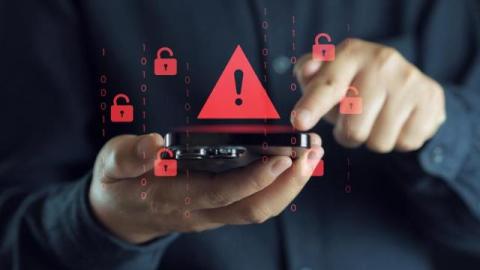
10 Security Risks Solved by Modern Mobile Enterprise Solutions 

In today's digitally driven business landscape, the proliferation of mobile devices has unlocked unprecedented productivity and flexibility. However, this shift has also introduced a complex array of security vulnerabilities that legacy IT infrastructures are ill-equipped to handle. From unsecured endpoints to data leakage, organizations can face significant threats that can compromise sensitive information and operational integrity.

2026 Insider Risk Predictions: What Organizations Must Prepare For

As 2026 unfolds, insider risk is being redefined by AI, behavioral analytics, and cross-functional accountability. The ability to predict risk based on behavior and intent, rather than react to outcomes, is reshaping how organizations defend against internal threats. Meanwhile, persistent factors like hybrid work continue to complicate visibility and oversight, amplifying risk across modern environments.

7 Insider Threat Mitigation Strategies To Improve Security

When company leaders and managers consider their cybersecurity risks, they too often focus on their vulnerability to external threats only. While state-sponsored attacks, phishing attacks, ransomware, and third-party software infiltration are becoming more prevalent in the current threat landscape, it’s important that those potentialities don’t distract attention from the dangers posed by insider threats.

How To Speed Up Insider Threat Investigations with Splunk

As insider threats become more common, cybersecurity experts need tools that make detecting and preventing them easier. One powerful tool is Splunk, a leading platform for security information and event management (SIEM). In this guide, we’ll explore how to use Splunk to improve your organization’s security against insider threats.

Insider Threats in The Finance Industry

Companies in the finance industry have to look out for a range of insider threats and insider fraud situations, for a number of reasons. There are particular liabilities in play for businesses that deal with financial data. These businesses and institutions are also governed by tighter compliance regulations.

Anatomy of an Insider Threat Investigation: From Alert to Remediation

It usually begins with something small. A flagged data transfer, an alert from your insider risk platform, or even a report from IT that a departing employee downloaded a large number of files. The signs can be subtle, often buried in the noise of daily digital activity. But make no mistake – what happens in the next few hours determines whether this becomes a minor blip or a full-blown cybersecurity crisis.