
Security | Threat Detection | Cyberattacks | DevSecOps | Compliance

The MemcycoFM Show: Ep 35 - Vishing Attacks: Why the Fake Site After the Call Matters Most

In a recently published blog post from Memcyco titled “Vishing Attacks: Why the Fake Site After the Call Matters Most”, we explored why the website a caller sends a customer to can matter more than the call itself. A convincing impersonation gets the customer to the page, but it’s what they enter there that can give an attacker the means to take over an account and move funds.


A Practical Guide to Comparing Insurance Claims Management Software

Modern claims management begins the moment a loss occurs. Today's platforms prioritize omni-channel intake, allowing policyholders to submit information via mobile portals, web forms, or automated sensor triggers. By moving away from manual agent entry, insurers can capture high-quality, structured data immediately.

Black Friday Scams: How Cybercriminals Target Online Shoppers

Black Friday falls on 27 November 2026, and fraudsters have been building fake shops, lookalike domains and AI-written phishing for weeks. This post explains the scams UK shoppers are most likely to encounter, why AI is making them harder to spot, and what retailers and security teams can do before the sales peak.

How Security Teams Use Residential Proxies to Investigate Phishing, Fraud and Brand Impersonation

A phishing page reported by a customer is open in an analyst's browser. It may show a blank screen. It may also show a harmless "under construction" message, or a redirect to Google. The customer has a different version on it. They were asked for their bank password ten minutes ago. And guess what - both of them are telling the truth. Modern phishing kits and fraud sites are adaptive. They decide what to show based on who is asking. Security vendors, cloud servers and corporate networks get the clean version. Real victims using home network get the real thing.

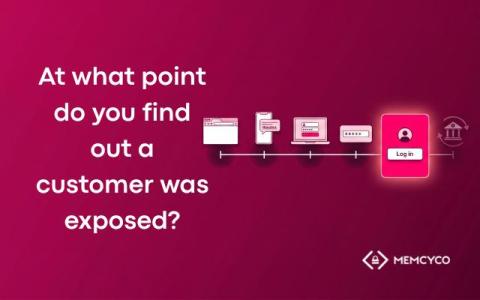
At what point do you find out a customer was exposed?

At what point do you find out that one of your customers has been exposed? Ask a head of fraud that question and wait. In the rooms I have sat in since joining Memcyco, the answer comes back the same way, sometimes with a laugh. Too late. That answer is a design choice. Most fraud stacks are built to find out at the login, or after the money moves, because those are the two places the stack has tools. The exposure happened earlier, somewhere the stack has no tool at all.

The MemcycoFM Show: Ep 34 - How Does Vishing Work? The Attack Chain From Call to Fake Site

In a recently published blog post from Memcyco titled “How Does Vishing Work? The Attack Chain From Call to Fake Site”, we explored how voice phishing pairs a convincing call with a copy of a trusted brand’s website to harvest credentials, passcodes and payment details. Impersonated banks, fintechs and telecoms absorb the fraud losses, support costs and lost trust.

Protect Yourself from AI-Enabled Scams

Scammers have always been quick to adopt new technology, and artificial intelligence is no exception. AI tools can now imitate a person's voice, generate realistic photos and video, and write convincing messages in seconds. The result is that scams which once looked clumsy can now look and sound completely genuine. The good news is that you don't need to be a technical expert to protect yourself. The basics haven't changed: slow down, check, and don't let anyone rush you.

The Fake ChatGPT Browser Stealing Mac Passwords

November 2025: a Mac user searches Google for ChatGPT Atlas. The top result is a sponsored link, sitting above the real page, on a site hosted on Google Sites. "Download for macOS" tells them to paste one line into Terminal. That script asks for their password, then installs the MacSync infostealer, and running it themselves gets around some of Mac's built-in security controls.

Report: Online Scams Nearly Doubled in 2026

A new report from Akamai has found that online scams surpassed traditional phishing attacks for the first time in 2026, nearly doubling from about 3.2 million to approximately 6.4 million year-over-year. The researchers say this signals a “shift toward higher-return fraud tactics focused on direct financial and consumer deception.”