Mailchimp
Not subscribed to OpsMatters Newsletter


MITRE ATT&CK stands for MITRE Adversarial Tactics, Techniques and Common Knowledge. It’s a curated knowledge base of adversarial behavior based on real-world observation of APT campaigns.
APIs are a key part of modern web application development transforming how organizations build, manage, and scale their web and mobile services. In this blog we discuss why APIs are the new web application security, highlighting the growing challenges of API security risks and sharing best practices for preventing API attacks.
Here’s the story of an information security engineer whose organization urgently needed new security log management stack that would enable him and his peers to not only survive but really thrive. In this Log’s Honest Truth podcast, presented in partnership with ITSP Magazine, Julian Waits, GM of the Devo cyber business unit & public sector, discusses the confessions of “Mr. B,” an information security engineer. Mr.
In order to get a grasp on how to ease security incident management and response processes, there are terms to be clarified first. First of all, a security incident is the common name of an attack towards an organization’s cybersecurity system, network, or data in general. In addition, TechSlang also includes successful attacks within the term “incident”. Therefore, whether impactful or not, all types of attacks, violations, or exploitations can be described as security incidents.
As the pandemic starts to fade, it can be easy to fall into a false sense of security. While there’s finally an end to COVID-19 insight, the cybersecurity pandemic rages on. 2020 was a record year for cybercrime, and the same threats will plague 2021. Amid the disruptions of 2020, many businesses embraced remote work, cloud services, and IoT technologies. These changes, in turn, led to a shifting cybersecurity landscape as cybercriminals adapted and new threats emerged.
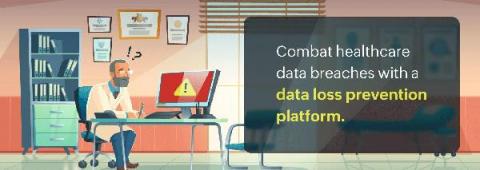
The HIPAA Journal reported that “2020 was the worst ever year for healthcare industry data breaches.” In the US alone, there were 642 reported data breaches in which the number of records stolen exceeded 500, and in total, nearly 29.3 million healthcare records were exposed.
People are increasingly becoming aware of the threats posed by hackers who infiltrate devices using viruses, spyware and malware. However, it may be time to shine the spotlight on “stalkerware”, a completely different type of cyber security threat that nevertheless has lasting negative repercussions. In this article, we will talk about this malicious software, which allows a remote user to surveil all activities on another user’s device.