Mailchimp
Not subscribed to OpsMatters Newsletter


AI is advancing at a stunning rate, with new tools and use cases are being discovered and announced every week, from writing poems all the way through to securing networks. Researchers aren’t completely sure what new AI models such as GPT-4 are capable of, which has led some big names such as Elon Musk and Steve Wozniak, alongside AI researchers, to call for a halt on training more powerful models for 6 months so focus can shift to developing safety protocols and regulations.
Security best practice guidelines always call for changing default passwords as any password left on the factory preset is considered low hanging fruit, essentially just waiting to be abused by attackers to gain unauthorized access. Frameworks such as Cyber Essentials, PCI DSS, and UK Gov ITHC enforce this practice as one of their test requirements during an audit. The scenario below shows why it is part of a best practice to change default passwords as it could lead to a more severe issue.
I get the WSJ Cybersecurity newsletter, which by the way is warmly recommended. Kim Nash today reported a shocker which will make everyone's insurance premiums go even further up: "Six years after the worldwide NotPetya cyberattack, a court ruled insurers for Merck & Co. must help cover $1.4 billion in losses. New Jersey appellate division judges rejected the insurers' argument that the 2017 attack, which U.S.
Earlier today, Google announced that you can now create and use a passkey to secure your personal Google account. This support is an important step toward the widespread adoption of a simpler, more secure alternative to passwords.
We hope you're all doing well and staying secure. The team at LimaCharlie has been hard at work developing cybersecurity solutions that are accessible and effective, and we're excited to share some recent updates with you. Last week, we had the opportunity to attend both BSides San Francisco and RSA, where we were able to connect with other cybersecurity professionals and showcase some of our latest developments.
This blog post is the first in a 2 part series on Corelight Smart PCAP. Tune in next week for part two where we’ll take a deep dive look at Corelight’s PCAP functionality and workflows that accelerate security investigations.
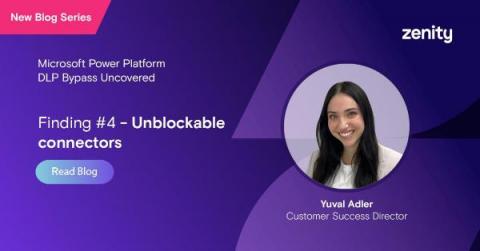
Hello everyone! I’m Yuval Adler, Customer Success Director at Zenity. I’m inviting you to read my blog series where I share new Microsoft Power Platform DLP Bypass findings we’ve uncovered.
ChatGPT can arguably be called the breakout software introduction of the last 12 months, generating both amazement at its potential and concerns that threat actors will weaponize and use it as an attack platform. Karl Sigler, Senior Security Research Manager, SpiderLabs Threat Intelligence, along with Trustwave SpiderLabs researchers, has been tracking ChatGPT’s development over the last several months.
If you’re building an application, you want to ensure it’s reliable, consistent, and rapidly deployable in any cloud environment. That’s what containers are used for — packaging instructions into a digital object for reuse. Without them, you’ll struggle to run some application components from server to server. But when you deploy containers, there are security risks that you should be aware of and can mitigate.