You open Instagram and the first post is an ad for a smart refrigerator. What a happy coincidence; you and your partner were just discussing getting one for your new home! After you get over the initial excitement of having experienced such an unlikely event, it slowly dawns on you that there’s more at play than coincidence. In the present age, data is akin to gold, and seemingly everyone is trying to get their grubby little hands on yours.
Ever since the adage “identities are the new perimeter” came into being, companies have started to expand their capabilities and operations beyond on-premises, office-based infrastructure. The adoption of cloud-native technologies means that organizations are looking to scale up their conventional workflows without having to invest time and resources on setting up physical data centers and other hardware infrastructure.
Security risks within the IT infrastructure of global businesses are increasingly prevalent – and damaging. When swathes of data are separated in the hybrid or multi cloud, it can leave big open doorways for malware to walk right in. The message I want businesses to hear is that cloud and data are not separate. IT only exists to service the needs of a business’ data. Securing cloud services – and therefore your data – is a business-critical issue.
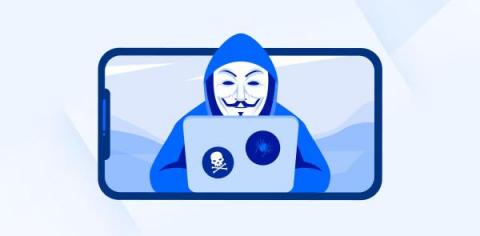
Credential harvesting is a technique that hackers use to gain unauthorized access to legitimate credentials using a variety of strategies, tactics, and techniques such as phishing and DNS poisoning. Phishing is the most frequent type of cyber threat and can lead to more harmful attacks such as ransomware and credential harvesting. According to recent research, phishing assaults targeted credential harvesting in 71.5% of cases in 2020.
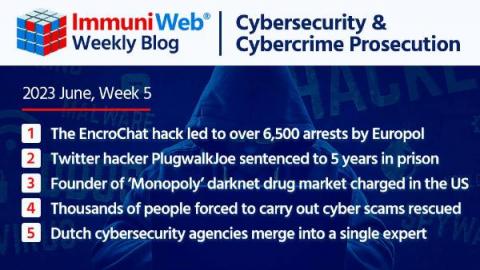
Read also: Twitter hacker sentenced to prison, police rescued over 2,700 people forced to carry out scams, and more.