Security | Threat Detection | Cyberattacks | DevSecOps | Compliance

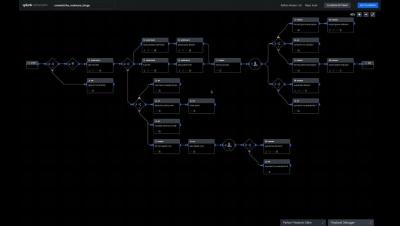
Splunk SOAR Playbooks: Crowdstrike Malware Triage

The combination of Crowdstrike and Splunk Phantom together allows for a more smooth operational flow from detecting endpoint security alerts to operationalizing threat intelligence and automatically taking the first few response steps – all in a matter of seconds. In this video, distinguished Phantom engineer Philip Royer will walk you through an out-of-the-box playbook that you can set up in Phantom to triage malware detections from Crowdstrike and automate a variety of responses based on an informed decision by an analyst.

Building a Superstar SOC with Automation and Standardization

When you have a team of security analysts that have a wide range of expertise, knowledge, and experience, it is natural to see the difference in the quality of work performed. One of the biggest challenges that security operation managers face when auditing the work performed is that some team members may execute different steps at different levels of rigor when investigating and remediating threats.

From the SecOps Kitchen: Why Operators of Essentials Services Need to Prepare Now

Hey there, The European Union Agency for Cybersecurity (ENISA) has recently published its NIS Investment report - a survey conducted on European organisations identified as Operator of Essentials Services (OES) and Digital Service Providers (DSP).

Automating With Splunk Phantom: How Norlys Does It

Some tasks are better off automated. Paying bills on time? Automated payments. Orchestrating a coordinated response to security alerts and triaging security events? There’s Splunk Phantom for that. Monotonous tasks, in our work and personal lives, should and can be automated in order to free up time and energy to focus on the things that matter.

Defense Department Cybersecurity: All Ahead on Zero Trust

With the Defense Department’s quick and successful pivot to a remote workforce last Spring via its Commercial Virtual Remote (CVR) environment, it proved that the future to fully operate from anywhere in the world is now. Gone are the days of thousands of civilian employees heading into the Pentagon or other installations everyday. However, with this new disparate workforce comes increased risks for network security. As my colleague Bill Wright expertly noted last Summer.

Dear CISO

As security practitioners, we all have things we want to be able to tell our CISO’s. We need to tell them we need more money, more headcount, we need to be able to tell them their baby (security program) is ugly. Everyone wants the ear of a CISO for the dollars they control. We just want their ear to help them understand what’s really going on in the industry and in their organization.

I Wish Someone Had Squished That Phish

It’s long since been established that it’s not if a breach will occur in your enterprise, it’s when. Are you prepared for that response? As Dave Kennedy, CEO of TrustedSec once asked a Brrcon audience, “If all you had was Sysmon, could you still do a successful IR?” Best practices are only best if you actually practice them. Along with Robert Wagner, Staff Security Specialist at Splunk, we’ll talk about ways to get your teams to their fighting weight when the bad guys sneak in through the basement.

Security Spotlight: Ryan Kovar

Splunk is home to some of the best security minds that this industry has to offer. Once a month we’ll take a deep dive and have a chat with one of those minds. First up, Distinguished Security Strategist and co-creator of the Boss Of The SOC, Ryan Kovar. With 20 years of experience in the security space, we’ll have a lot to chat about over the course of an hour.

A Path to Proactive Security Through Automation

The sheer number of cyberattacks launched against organizations every year is massive and growing. If you’re a security analyst working in a SOC or security team, tasked with defending your organization, that means you’re getting bombarded by many more attacks than the recorded numbers above would suggest. These attacks translate into security alerts — fired from your various security tools — that you must investigate and resolve.