Security | Threat Detection | Cyberattacks | DevSecOps | Compliance

Security Policy as Code Now Fully Automated with Calico Enterprise 2.6

We are excited to announce the general availability of Calico Enterprise 2.6 (formerly known as Tigera Secure). With this release, it is now possible to fully-automate Security-Policy-as-Code within a CI-CD pipeline, including the ability to implement security as a Canary rollout, which is the most critical requirement to automating network security.

Tigera Joins the Fortinet Fabric-Ready Program and Partners with Fortinet to Secure Kubernetes Environments

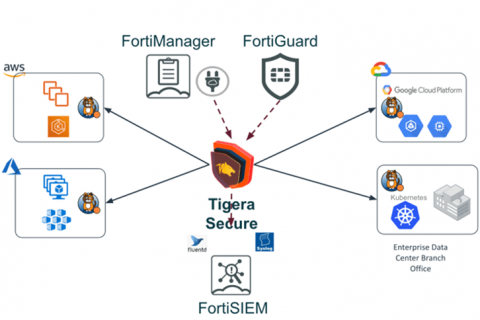
We are proud to partner with Fortinet and join their Fabric-Ready Technology Alliance Partner program. With this partnership, Fortinet customers will be able to extend their network security architecture to their Kubernetes environments. Our partnership was driven from interest from Fortinet’s customers to protect their Kubernetes based infrastructure. Kubernetes adoption is growing like wildfire and nearly every enterprise on the planet is at some stage of their Kubernetes journey.

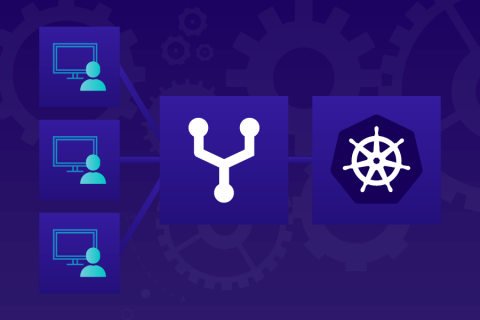
Enable GitOps for Kubernetes Security - Part 1

“How do I enable GitOps for my network policies?” That is a common question we hear from security teams. Getting started with Kubernetes is relatively simple, but moving production workloads to Kubernetes requires alignment from all stakeholders – developers, platform engineering, network engineering, security. Most security teams already have a high-level security blueprint for their data centers.

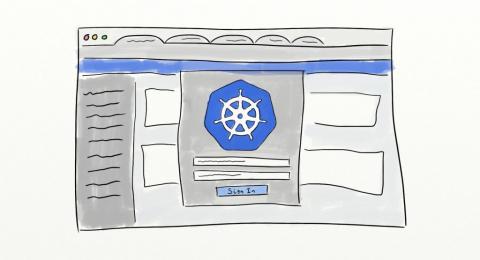
Single Sign-On for Kubernetes: Dashboard Experience

Over my last two posts (part 1 and part 2), I have investigated user authentication in Kubernetes and how to create a single sign-on experience within the Kubernetes ecosystem. So far I have explained how Open ID Connect (OIDC) works, how to get started with OIDC and how to perform a login from the command line. The final piece of this puzzle is the Kubernetes dashboard, often used by our engineers alongside kubectl.

3 Layers to Defend Your Kubernetes Workloads

Researchers at Netflix and Google recently reported a vulnerability in the HTTP/2 protocol that enables adversaries to execute a DOS attack by legitimate use of the protocol. These types of attacks are very difficult to detect and mitigate because the traffic is valid HTTP/2 traffic. While HTTP/2 is a relatively new protocol it should be noted that even after several years of hardening we still see vulnerabilities for the TCP protocol like the recently reported SACK vulnerability.

Prevent DNS (and other) spoofing with Calico

AquaSec’s Daniel Sagi recently authored a blog post about DNS spoofing in Kubernetes. TLDR is that if you use default networking in Kubernetes you might be vulnerable to ARP spoofing which can allow pods to spoof (impersonate) the IP addresses of other pods. Since so much traffic is dialed via domain names rather than IPs, spoofing DNS can allow you to redirect lots of traffic inside the cluster for nefarious purposes.

Kubernetes & Tigera: Network Policies, Security, and Auditing

Of course, Tigera’s ability to provide Kubernetes pod networking and facilitate service discovery is extremely valuable, but its real superpower is that both Tigera’s commercial offerings and open-source Tigera Calico can implement network security policies inside a Kubernetes cluster.

Meeting PCI DSS Network Security Requirements in Kubernetes Environments

Compliance standards such as PCI DSS have assumed that traditional characteristics and behaviors of the development and delivery model would continue to be constant going forward. With the Container/Kubernetes revolution, that set of assumptions is no longer entirely correct. Attend this webinar and learn about what’s changed, how those changes weaken your compliance and control environment, and what you can do to adjust to the new reality.