There’s one question our Security team hears more than any other: Is my 1Password data vulnerable if my device is compromised or infected with malware?
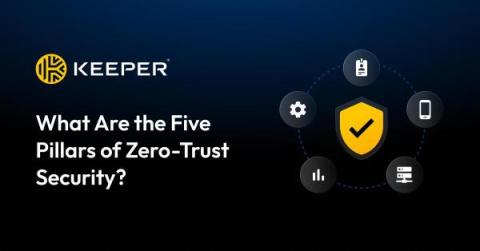
The zero trust maturity model is a Cybersecurity and Infrastructure Security Agency (CISA) initiative to help achieve a modern approach of zero trust through the implementation of five pillars with cross-cutting capabilities. The five pillars of zero-trust security are identity, device, network, application and workload and data.
Have you ever thought about how and why passwords are cracked? This article introduces password cracking, focusing on common strategies and tools used by security professionals and malicious users. We also discuss the composition of secure passwords, and why certain approaches are more effective than others. Cracking passwords can be done very easily in certain situations. The time taken and likelihood to successfully crack a password often depends on the password strength.
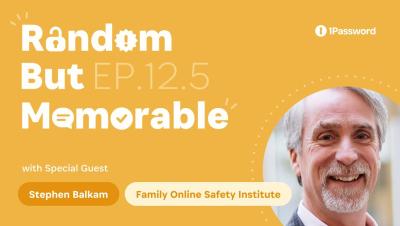
How can we make the online world safer for our kids and families? This episode, we learn how to strike a harmonious balance of online privacy and security with founder of the Family Online Safety Institute, Stephen Balkham. Tune in to hear his top tips for keeping our kids and families digital lives safe.
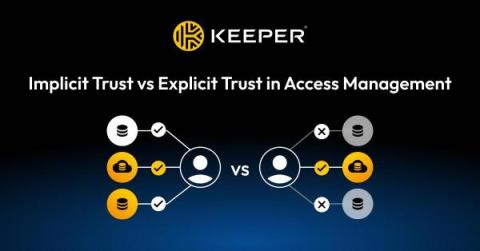
While trust plays an important role in access management, not all types of trust are created equal. When it comes to access management, there are two types of trust to pay close attention to, implicit trust and explicit trust. Let’s go over what these types of trust are in access management and how they differentiate from one another.
The security concept known as “Privilege Creep” occurs when an individual accumulates access rights over time, retaining entry to systems and data beyond the completion of a specific task or the need for such access. This gradual accumulation of unnecessary privileges within an organization not only complicates the management of access rights but also magnifies the potential for security breaches, data theft and misuse of information.
A targeted attack is a complex cyber attack tailored to specific organizations or employees. The best way to protect your organization from targeted attacks is to reduce its attack surface, invest in a Privileged Access Management (PAM) solution, create an incident response plan and educate employees on cybersecurity best practices. Continue reading to learn what makes targeted attacks dangerous and how your organization can protect against them.
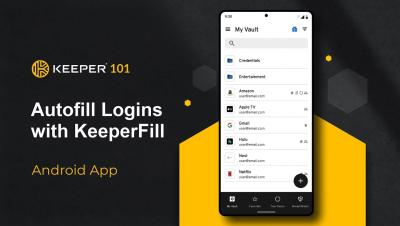
Use KeeperFill to quickly autofill passwords into web browsers such as Chrome, Firefox and all other 3rd Party Browsers and applications. Before you can utilize this feature, you need to first perform a few setup steps. From the left filter menu, navigate to Settings and toggle KeeperFill “on”.