Software development is in the midst of a monumental shift, powered by the rapid advancements in Artificial Intelligence. AI isn't just changing how we build software; it's transforming the very nature of applications themselves. As AI-native applications become more prevalent, we're also seeing new, complex security threats emerge. Traditional security approaches aren’t designed for the dynamic and often unpredictable nature of Large Language Models (LLMs), agents, and other AI-driven systems.
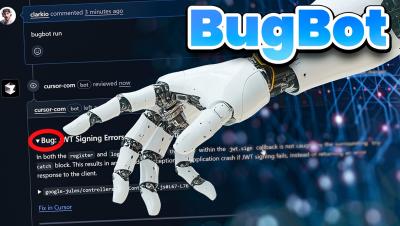
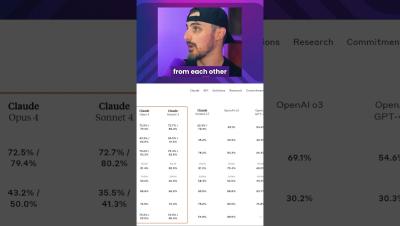
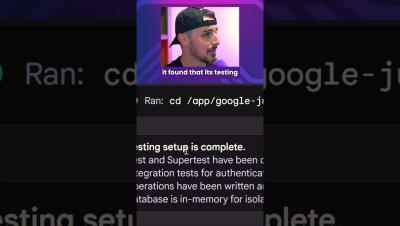
In this episode of my ongoing series testing AI coding tools, I put Windsurf’s latest model, SWE-1, to the test. The challenge? Build a secure note-taking app from scratch. I’m looking at everything from how it handles authentication and encryption to whether the code is clean, usable, and actually secure. If you're curious about how SWE-1 stacks up against other AI dev tools like GPT-4 or Claude, this video is for you.
Having recently reached the 100 day mark of the new administration in the U.S., Snyk thought it important to check in with some of the nation’s CISOs to gauge how they were feeling about the cybersecurity posture of both the nation and their own organizations. In partnership with Researchscape, we surveyed a total of 101 U.S. based CISOs working in Information Security and/or Information Technology who responded to the online survey from April 7 - 21, 2025.
When developing a web application, dev teams can choose from two fundamental design patterns: Single-Page Applications (SPAs) or traditional Multi-Page Applications (MPAs). Deciding which one to use can depend on multiple factors, but more and more companies are developing SPAs since they can provide a smoother user experience (UX), which, in turn, might just result in better user adoption.
At RSAC 2025, Snyk focused on the future of cybersecurity, particularly the impact of generative AI on software security. We connected with key leaders and partners to advance this discussion and anticipate further progress in 2025.