Security | Threat Detection | Cyberattacks | DevSecOps | Compliance

From unknowns to known risks: Mapping your app's privacy surface

Mobile apps are everywhere. From the moment we wake up and check the weather to staying connected with friends and family, our lives are woven together by apps. They manage our money, track our workouts, store our memories, and even help us find love. But with this convenience comes a hidden cost: our privacy. Every tap, every swipe, every “allow” permission is a potential gateway for data to flow, sometimes to places we never intended.
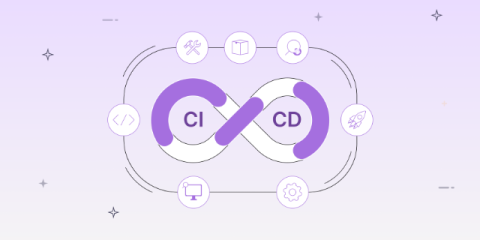
DevSecOps Done Right: CI/CD Pipeline Security for Mobile Apps

Modern software delivery depends on speed, scale, and automation. CI/CD pipelines sit at the center of it all. An efficient CI/CD pipeline empowers your teams to develop features faster, respond to market demands quickly, and stay competitive in a crowded market landscape. But with that speed comes risk. What makes CI/CD pipeline security so critical is the level of access these systems have. They interact with your source code, cloud infrastructure, and deployment environments with elevated permissions.

How Secure Is WhatsApp in 2025? [Appknox's Pentesters Reveal 5 Critical Vulnerabilities]

June 2025 has seen WhatsApp back in the headlines—this time for all the wrong reasons. Earlier this month, The National broke the story: WhatsApp’s security is under renewed scrutiny following revelations that Israel remains the only known actor to have successfully exploited it. But if history has taught us anything, it’s this: if one nation-state can do it, others may follow. At Appknox, we decided to verify the current state of WhatsApp’s mobile app security for ourselves.

API Security Testing Checklist for Developers

APIs are the backbone of modern applications, facilitating seamless communication and data exchange. However, this ubiquity makes them prime targets for cyberattacks. As developers, building robust and secure APIs isn't just a best practice; it's a critical responsibility. This blog post provides a comprehensive API security testing checklist to help you identify and mitigate API vulnerabilities, ensuring your APIs are fortified against evolving threats.

OWASP MASTG Best Practices Checklist for Mobile App Security

Mobile applications are at the heart of today’s digital experience, but with their convenience comes a growing landscape of security threats. For developers and security teams, simply building a functional app is no longer enough—protecting user data and business assets must be woven into every stage of the mobile app lifecycle. That’s where the OWASP Mobile Application Security Testing Guide (MASTG) steps in.

Mastering MobSF: Everything You Need to Know about Mobile Security Framework

Launched in 2015 by a community of security researchers and developers, MobSF has continuously evolved to meet the growing challenges in mobile security. Initially focused on static analysis for Android apps, it has since expanded to support dynamic analysis with runtime instrumentation, API fuzzing, malware detection through sandboxing, and seamless CI/CD integration.

DevSecOps Implementation Checklist for Mobile Apps

Shift left. Secure fast. Release often. Mobile teams are adopting this approach from day one to boost productivity, facilitate cross-team collaboration, and shorten release cycles. As mobile apps become the primary gateway to business and customer data, embedding security into every stage of development isn’t a luxury—it’s a necessity.

How Safe is the ChatGPT Android App? An Appknox Study

Brilliant AI, broken defenses? AI-powered apps are revolutionizing how we search, learn, and communicate, but the rapid pace of innovation has come at a cost: security is often an afterthought. As part of our AI App Security Analysis Series, we’ve been scrutinizing some of the most popular AI tools on Android for hidden vulnerabilities that could put millions of users at risk.

Threat Modeling Checklist for Mobile App Development

As mobile apps become increasingly central to business operations and user engagement, securing them from design to deployment has never been more critical. Threat modeling offers an essential first step in identifying and mitigating potential security risks early in the development process. It helps you think like an attacker, spotting weaknesses before they can be exploited.

Why Do You Need an Automated VAPT Tool? (5 Alarming Signs)

Imagine waking up to news that your company’s data has been leaked, your customers' trust is shattered, and your brand’s reputation is in tatters. Cybercriminals don’t wait for you to react—they exploit vulnerabilities the moment they find them. You're already playing a dangerous game if your security measures are outdated or reactive.