Security | Threat Detection | Cyberattacks | DevSecOps | Compliance

Clash for Windows: Key Features and How to Use It Safely

The demand for web privacy and secure Internet access has sharply increased recently. As a result, many users are scrambling to find essential tools to guarantee online privacy and safety, such as Clash for Windows, one of the more popular tools. It comes with some powerful features that not only protect privacy but also improve the browsing experience. This post examines its main features and how it can be used safely.

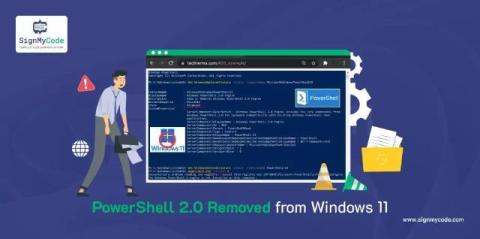
Microsoft Retires PowerShell 2.0 in Windows 11

The move to remove PowerShell 2.0 from Windows 11 is strategic and long overdue. Microsoft is making this move to embrace modern, secure, and efficient system tools. PowerShell 2.0 has many inherent security issues tied to the deprecated framework and its reliance on deprecated encryption & validation protocols.

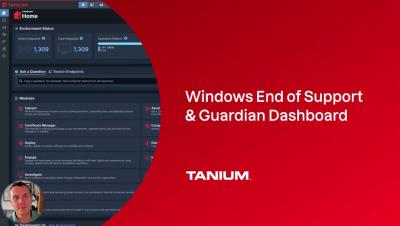
Windows 10 End of Support - Upgrade and ESU Options - Tanium Tech Talks #130

This is not a surprise. Microsoft announced end of support for Windows 10 a long time ago. Are you ready? Tanium can identify those last remaining machines and help you remediate them quickly. Tanium dashboards track Windows 10 versions, hardware compatibility, ESU licensing, and more.

A Data-Driven Approach to Windows Advanced Audit Policy - What to Enable and Why

If you’ve been doing digital forensics, detection engineering, or threat hunting for some time, you already know how essential Windows event logs are for spotting malicious activities. Although Windows’ default logging has improved over the years, it still falls short of delivering the depth of visibility needed to catch sophisticated threats. That’s where Windows Advanced Audit Policies come into play. It offers additional, high-value events that are crucial for detection and hunting.

Understanding NTLM and Kerberos: Key Differences and Use Cases

Connecting all your company resources in a network for sharing is valuable, but you need a way to verify that only authorized users and devices can access these resources. Authentication serves this purpose by providing methods for users and devices to prove their identity. In Windows environments, two main authentication protocols are used: NTLM (New Technology LAN Manager) and Kerberos. In this article we will discuss NTLM vs Kerberos and show why it is important to implement Kerberos if possible.

Nation-State Threat Actors Leverage Windows Shortcut Vulnerability

The newly found Windows shortcut vulnerability is now being actively exploited by state-sponsored Advanced Persistent Threat (APT) actors to execute covert malicious commands. According to new research conducted by Trend Micro's Zero Day Initiative (ZDI), the vulnerability, designated as ZDI-CAN-25373, is now being exploited by Chinese, Iranian, North Korean, and Russian threat actors for worldwide cyber espionage and data theft.