Security | Threat Detection | Cyberattacks | DevSecOps | Compliance

The Latest Cybersecurity News & Insights From Around The World


Manager as mentor: Learnings from Sysdig's documentation team
After years in the technical writing trenches at industry giants like Cisco, Riverbed, and Akamai, I now lead the Sysdig Documentation team. I’m Shuba Subramaniam, and I’m passionate about creating content that truly helps people — whether they’re exploring Sysdig for the first time or troubleshooting a tricky issue at 2 a.m.
Detecting and mitigating CVE-2024-12084: rsync remote code execution
On Tuesday, January 14, 2025, a set of vulnerabilities were announced that affect the “rsync” utility. Rsync allows files and directories to be flexibly transferred locally and remotely. It is often used for deployments and backup purposes. In total, 6 vulnerabilities were announced to the OSS Security mailing list. The most severe vulnerability, CVE-2024-12084, may result in remote code execution. This post will cover how to detect and mitigate CVE-2024-12084.
Securely Deploying & Running Multiple Tenants on Kubernetes
As Kubernetes becomes the backbone of modern cloud native applications, organizations increasingly seek to consolidate workloads and resources by running multiple tenants within the same Kubernetes infrastructure. These tenants could be: While multitenancy offers cost efficiency and centralized management, it also introduces security and operational challenges: To address these concerns, practitioners have three primary options for deploying multiple tenants securely on Kubernetes.

Kubernetes Security Fundamentals: Authentication - Part 3
In this video we’ll continue looking at how Kubernetes handles authentication with a look at service account token authentication.
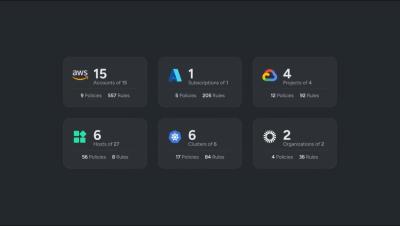
Sysdig's Cloud Workload Protection Platform (CWPP)
The cloud transformed innovation. But, a lack of visibility into complex workloads, thousands of vulnerabilities add a lot of noise. With Sysdig, you can streamline container and workload security and get back to innovating. Secure every second with Sysdig!

Neo4j: Building a Secure Future with Sysdig CNAPP
Discover how Neo4j, the world’s leading graph database company, collaborates with Sysdig to reduce its risk in the cloud. From streamlining vulnerability management to building a trusted partnership, this video explores the transformative impact of Sysdig on Neo4j’s security operations. Speakers featured in this video: David Fox, CISO Fredrik Clementson, Senior Director of Engineering Preeti Preeti, Security Analyst.

Demystifying Docker: Understanding and Optimizing Your Images
Everything you were too afraid to ask about Docker, containers, and their fundamental building blocks: layers. Understanding how layers work naturally leads to a more efficient method of packing images, ultimately speeding up your deployments.
Extending Falco for Gitlab
Many are familiar with how GitLab leverages Falco in its Package Hunter project to detect threats through system call monitoring. However, fewer may be aware of a powerful GitLab plugin for Falco that ingests audit events directly from GitLab, transforming them into actionable fields within Falco. By integrating GitLab audit event fields, you can create Falco rules to detect potential threats in real time and send alerts through your configured notification channels.
Simplifying Backup and Recovery for VMware vSphere Kubernetes Service (VKS, formerly Tanzu) with CloudCasa
Ask Our Expert VMware vSphere Kubernetes Service (VKS), formerly known as Tanzu Kubernetes Grid (TKG) Service, has emerged as a popular platform for enterprises deploying containerized workloads, particularly those that rely on vSphere Kubernetes release (VKr), previously referred to as Tanzu Kubernetes release, for their cloud-native infrastructure.