Security | Threat Detection | Cyberattacks | DevSecOps | Compliance

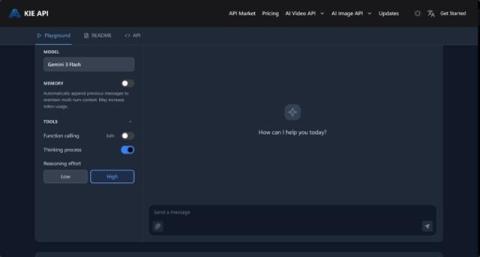
Building Smarter Virtual Assistants with Gemini 3 Flash API: AI for Seamless Workflow Automation

As teams become more distributed and workloads continue to increase, the need for effective automation tools has never been greater. Traditional methods of collaboration often fall short when it comes to handling repetitive tasks, managing high volumes of information, or providing real-time, intelligent support. That's where AI virtual assistants come in, changing how teams collaborate, streamline workflows, and boost productivity.

How Armature Systems Uses Tines to Transform Our SOC Into a Faster, Leaner, Low-Friction Machine

Security operations often feel like a paradox: a discipline built on high-speed decision-making wrapped inside layers of noisy, inconsistent data. Every alert has some useful and not so useful noise, but only a few truly matter. Our job is to know the difference. For us, Tines became the medium through which the noise resolved into signal.

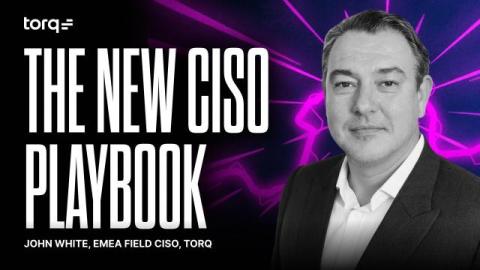
The CISO's Role Is Rapidly Changing

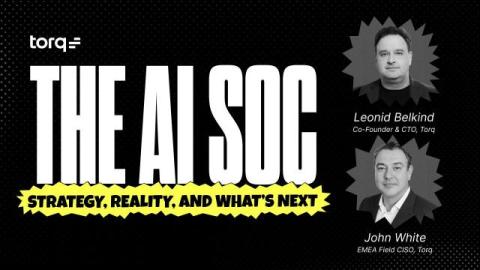
See how Torq harnesses AI in your SOC to detect, prioritize, and respond to threats faster. Request a Demo John White is the Field CISO for EMEA at Torq. A respected security executive with more than 20 years of leadership experience, John previously served as CISO at Virgin Atlantic, where he led a multi-year transformation deploying the Torq AI SOC Platform to modernize cyber operations.

The 2026 AI SOC Leadership Report: What 450 Security Leaders Told Us

See how Torq harnesses AI in your SOC to detect, prioritize, and respond to threats faster. Request a Demo When we started building Torq four years ago, we had a thesis: the SOC was broken, and automation — real automation, not another tool bolted onto the stack — was the way to fix it. AI has since changed the game entirely. But has it streamlined the SOC, or introduced new complexity? We wanted to find out.

Tackling alert fatigue with AI & automation: How MSSPs scale Tier 1 triage

For managed security service providers (MSSPs), alert fatigue doesn’t just burn out your analysts: it’s a real risk to your business. From the financial costs of missed SLAs and security incidents to the customer trust lost when critical alerts are overlooked, alert fatigue negatively impacts customer outcomes, client retention, and your profitability.

How intelligent workflows help MSSPs deliver customer outcomes at scale

For managed security service providers (MSSPs), customer loyalty is the most critical indicator of business health. Unlike other metrics that you directly control, such as mean time to respond or mean time to detect, it can’t be gamed: customers will either stay with you or they’ll churn. This means that the top priority for any MSSP should be to deliver the specific customer outcomes they were hired to provide, like helping to stop threat actors before they cause damage.