At Comic Buying Center in Libertyville, they have seen firsthand how vintage toys, sports cards, and retro video games have captured the imagination of collectors.
Prompted by a new era of cyber-attacks surging downtime and data breaches, the Digital Operational Resilience Act (DORA) regulation came into force on the 17th of January to reshape how organisations approach security, privacy and cybersecurity. Cybercriminals are becoming increasingly daring and creative, with an expected rise in the exploitation of new vulnerabilities in 2025.
In an increasingly connected world, travel relies more on technology than ever. While digital tools enhance convenience, they also create new opportunities for cyber threats. Phishing attacks and malicious links targeting mobile devices are projected to triple compared to previous years as cybercriminals exploit public Wi-Fi networks and insecure booking platforms. To navigate these challenges, it’s essential to secure your digital footprint proactively.
The growing demand for cybersecurity talent is outpacing the supply of skilled professionals, and this is especially true in the field of identity security. With cyber threats becoming more sophisticated and the number of identities within organisations expanding, companies are struggling to find qualified experts to manage and protect sensitive data. The challenge of filling Identity and Access Management (IAM) roles is becoming a major barrier for businesses looking to stay ahead of cybercriminals.
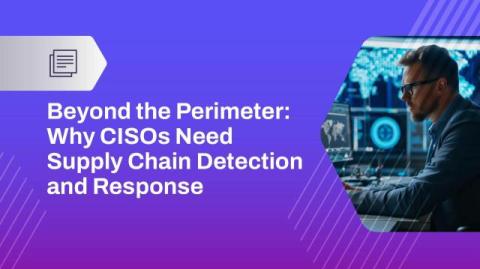
Organizations rely heavily on external vendors and suppliers, creating complex supply chains vital for operations. However, this introduces a new dimension of risk: supply chain attacks.
Protecting critical business data requires a reliable backup system that works consistently. The grandfather-father-son (GFS) backup rotation offers a structured approach through organized daily, weekly, and monthly backup cycles. The GFS backup scheme creates multiple recovery points, giving businesses flexibility when restoring data after unexpected issues.
This blog is the latest in a series that delves into the deep research conducted daily by the Trustwave SpiderLabs team on major threat actor groups currently operating globally. APT34, also known as OilRig, Earth Simnavaz, and Helix Kitten, is a sophisticated, state-sponsored cyber threat group with suspected ties to Iran.
In today’s data-driven economy, enterprises are under increasing pressure to manage privacy risks effectively. The responsibility of identifying and mitigating these risks often falls on lawyers and Chief Data Privacy Officers (CDPOs), who must navigate complex regulatory landscapes, safeguard sensitive data, and ensure their organizations maintain customer trust.
Nearly 90% of cyberattacks are known methods that proper systems can detect, but most organizations don’t have the best defenses. Signature-based detection is a vital aspect of cybersecurity. It offers some benefits but also has some drawbacks. This blog will break it down simply to help you strengthen your defenses against new threats.
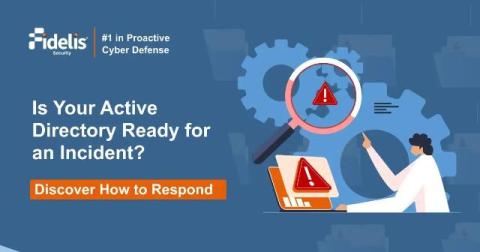
Active Directory (AD) is crucial for network security as it controls access to sensitive data, making it a primary target for attackers. Even a small AD breach can result in significant data loss, operational downtime, and reputational damage in a business.