
Hardening Edge Supercomputers: Securing the Deployment of Any Compact AI Supercomputer
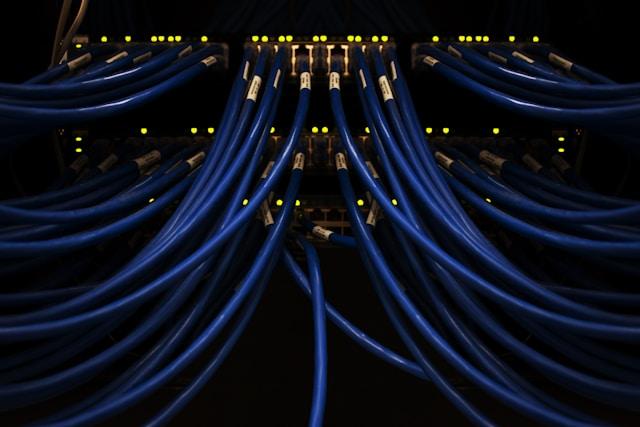
Edge AI systems bring data center-class computing into offices, labs, and remote facilities where environmental controls and security practices may vary. Their compact size makes deployment easier, but it also creates new risks involving physical access, local networks, software supply chains, and sensitive data. Securing these systems requires a clear plan that covers the device, its operating environment and every service connected to it.
Start with the deployment environment
Security planning should begin before the system arrives. Document where the unit will operate, who can reach it and what data it will process. A device in a controlled server room faces different risks from one installed in a shared laboratory or branch office.
Power, cooling and connectivity also affect security. Unexpected shutdowns can corrupt workloads, interrupt logging or leave services in an uncertain state. Confirm that the location has sufficient cooling capacity, surge protection and backup power. Use environmental sensors to detect temperature changes, water leaks and unauthorized cabinet access.
The system architecture matters as well. Guidance on edge AI requirements highlights the combination of compute resources, storage, networking and software needed for deployment. Security teams should add each of those components to the asset inventory, including management controllers and attached storage.
Record the unit’s serial number, network interfaces, firmware versions and responsible owner. Then define its approved location and network segment. If the device moves or a new interface appears, monitoring systems should flag the change.
Physical access deserves equal attention. Place the system in a locked enclosure where practical, restrict keys or access cards and retain entry logs. Disable unused external ports through firmware settings or operating system controls. Tamper-evident labels can also help teams spot unapproved physical access during routine inspections.
Choose hosting and control boundaries carefully
Decide early who will maintain the hardware, operating system, network controls and physical facility. Ambiguous responsibility creates gaps, especially when a research group owns the workload while a central IT team manages the surrounding infrastructure.
Some organizations need local processing but don’t have suitable power, cooling or workload access controls on their own premises. In that case, hosting a compact AI supercomputer in a UK-based data center can place the system within professionally managed infrastructure with high-speed networking and dedicated storage options. The organization still needs to secure its accounts, workloads and data because hosting doesn’t transfer every security responsibility to the provider.
Write down the responsibility split before deployment. The document should identify who applies firmware updates, reviews alerts, approves administrator access, and responds to suspected compromise. It should also state who replaces failed storage and how retired components are sanitized.
Capacity planning belongs in this discussion because rushed expansion often weakens controls. Work on expandable AI infrastructure shows how systems may grow beyond an initial deployment. Plan network segments, identity roles and logging capacity for that growth now. Adding three more nodes later should follow an approved design instead of prompting an improvised network connection.
Ask providers for evidence that supports your risk review, such as facility access procedures, service availability commitments and incident notification terms. Verify where backups reside and how administrative connections reach the system. These details define the true control boundary.
Lock down firmware, identities and workloads
Establish a known-good configuration before loading production data. Update firmware from verified sources, enable secure boot, and protect firmware settings with a unique administrative credential. Record the versions and cryptographic hashes where possible so later checks can identify unexpected changes.
Keep the installed software footprint small. Remove sample applications, disable services that the workload doesn’t need, and prevent direct internet exposure. Container images and AI frameworks can include large dependency trees, so scan them before deployment and again when a base image changes. Pin approved versions instead of allowing unattended dependency updates to alter production workloads.
Identity controls should follow least privilege. Give each administrator an individual account protected by multi-factor authentication and avoid shared credentials. Separate routine system management from security administration so one compromised account cannot change logging settings and erase evidence. Service accounts need the same discipline, including narrow permissions, stored secrets, and clear expiration or rotation rules.
A practical baseline includes:
- Disabling default accounts and changing all initial credentials
- Requiring multi-factor authentication for privileged access
- Allowing management connections only through an approved gateway
- Encrypting local storage and protected network traffic
- Signing or verifying production containers and model packages
- Sending logs to a separate system that local administrators cannot alter
Treat trained models as sensitive assets. They may reveal business methods, licensed material, or patterns from confidential datasets. Control who can export model files and log each transfer. Development notebooks, prompt histories, and cached datasets also need retention rules because they can contain information that never appears in the final model.
Segment the network and watch data flows
Place edge supercomputers on dedicated network segments with tightly defined routes. A flat local network allows a compromised laptop, printer, or test device to reach high-value compute resources. Segmentation limits that exposure and gives monitoring tools cleaner traffic patterns to inspect.
Separate management traffic from workload traffic where the hardware supports it. Management interfaces should accept connections only from controlled administrative systems, preferably through a gateway that records sessions. Block inbound connections by default and open only the ports required for documented services. Outbound access also needs limits since unrestricted egress can enable data loss or unapproved software downloads.
Research into AI data center networks examines the security of local-area connections used by supercomputing environments. Edge deployments need similar attention even when they contain only one unit. A compact system may still carry multiple high-speed interfaces, management endpoints and storage connections.
Create a simple data flow diagram showing where training data enters, where temporary files reside and where results go. Include backup destinations, model registries and monitoring services. Security teams can then compare observed traffic with the approved flow.
For example, a system that receives images from an internal application and returns classifications shouldn’t initiate connections to arbitrary external hosts. An alert should trigger if it begins transferring large volumes overnight or contacts a new destination. Baseline normal traffic during testing, then use thresholds that account for scheduled model transfers so expected activity doesn’t overwhelm analysts with false alarms.
Build monitoring and recovery into operations
A secure launch is only the start of the operating cycle. Send authentication events, privilege changes, service failures and security alerts to centralized logging. Synchronize system clocks so investigators can line up activity across gateways, storage services and compute nodes.
Track configuration drift as closely as malware alerts. A newly enabled remote service or altered firewall rule may be the first sign of a mistake or unauthorized action. Scheduled checks can compare the live system with an approved configuration file. Teams should review meaningful differences instead of automatically accepting them.
Large research installations offer useful operational lessons. The Dawn supercomputer deployment illustrates how advanced AI computing combines hardware, software and institutional infrastructure. Smaller edge systems have fewer nodes, but they still depend on coordinated maintenance across those layers.
Test recovery with a realistic scenario. Restore the operating environment, application containers and model artifacts onto clean hardware or an isolated test system. Confirm that encrypted backups can be opened and that access policies return with the workload. A backup that has never been restored remains an assumption.
Set patch timelines according to exposure and severity. An internet-facing management flaw calls for a faster response than a low-risk issue in a disabled component. When immediate patching could interrupt an active project, isolate the affected service and add monitoring until a maintenance window opens.
Finally, define retirement procedures while the system is still in service. Revoke certificates, remove the device from identity systems, and sanitize every storage component according to the sensitivity of the data. That documented final state prevents an old edge node from remaining visible, trusted, and forgotten after its last workload ends.