Learn about Snyk's three key sources of security intelligence: Snyk Vulnerability Database, the Snyk Code knowledge base, and the Snyk IaC unified policy engine.
Learn how Snyk researchers, machine learning, and the greater security community working together in perfect security harmony to maintain Snyk Vulnerability Database — the industry leading resource for open source and container vulnerabilities.
Learn how Snyk security researchers build our cutting-edge Snyk Code knowledge base using a combination of AI, machine learning, and security expertise.
Discover the delicate balance between security and functionality that organizations must navigate. Learn how excessive security measures can hinder an organization's ability to thrive and tie up its operations. Achieving an optimal level of defense in depth and security measures is crucial. With new legislation emerging from the EU and the US, companies are awakening to the significance of security. But will this increased focus on security make it more expensive for organizations to compete and establish themselves? Find out how meeting required security standards is essential for government support, yet excessive fees can cripple fledgling businesses before they even begin. Join the discussion on the complex dynamics of organizational security and its implications for success. Subscribe for more insights on navigating the intersection of security and business.
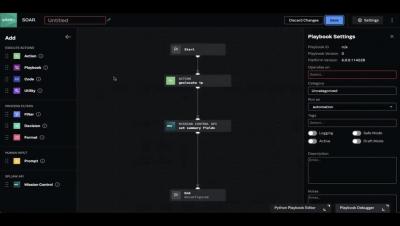
This video will take a new or existing user of Splunk Mission Control through the process of implementing SOAR playbooks within Mission Control. Splunk Product Manager Kavita Varadarajan will walk you through the necessary steps and configuration to deploy a SOAR playbook at a basic level. Learn how to fully leverage the full power of orchestration and automation to unify your security operations with Splunk Mission Control.
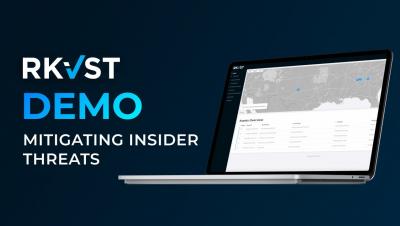
Mitigate insider threats with RKVST. This demo is an example of how with RKVST it's quick and simple to identify who did what when to any asset so you can quickly see if there has been any malicious activity, when it happened and who was responsible. RKVST provenance-as-a-service enables organizations to authenticate data and build trustworthy digital supply chains. It also makes it quick and easy to locate an asset.
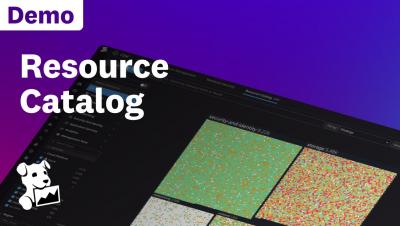
Resource Catalog provides visibility and security context directly to DevOps in the same platform they are already using every day to monitor their infrastructure. As a result, DevOps teams no longer have to react to a laundry list of security threats. Instead, they are armed with the insight to vigilantly detect security misconfigurations and reduce the mean time to remediation so that their security posture is strengthened.
In this Snyk Partner Speak video, we introduce the DevSecOps Lifecycle Coverage integration with Dynatrace. Learn how this integration takes our strategic alliance to the next level!
Our Chief Product Officer, Dan Bradbury, will go over some of the amazing new features we are launching and cover some of the features we have in the pipeline.
Join Zindzi Speede, our Technical Customer Success Manager, as she and a panel of cyber security experts delve into topics such as best practices, compliance, and the implications of AI on cyber security. Guests Jacques Van Zyl - Cyber Security Analyst at Youi Insurance Alen Zenicanin - Information Security Officer at Law in Order Michael Viney - Head of IT at Square Peg Capital.