Security | Threat Detection | Cyberattacks | DevSecOps | Compliance

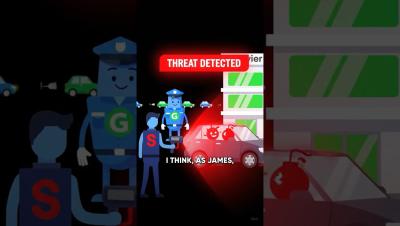
Stateless vs. Stateful: The Difference in Cyber Attacks #StatefulAttack #businesslogic #apisecurity

The Hacker is Having a Conversation with Your API. There are two kinds of attacks you MUST understand: Stateless (Brute Force): One-and-done, instant gratification. Think SQL Injection. Stateful (Sophisticated): A persistent conversation over time. This is the signature of Business Logic Abuse. Why does this matter? Stateful attacks are executed by sophisticated threat actors who have done their due diligence on your architecture. You must evolve your defenses to monitor the entire session, not just single requests!

Hacked Architecture, Not Code: What is a Business Logic Attack? #businesslogic #cybersecurity

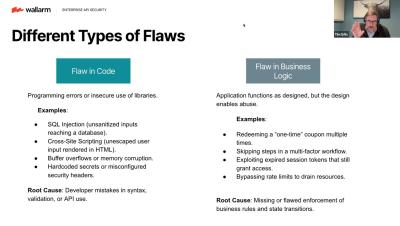
Why do hackers ignore your firewalls and clean code? Because they exploit your business logic and application architecture. A Business Logic Attack (BLA) is a sophisticated manipulation that uses your own system's design against you. Learn the key difference between code flaws and architectural exploits.

API Gateway vs. API Security #apisecurity #cybersecurity #architecture #devsecops

Your API Gateway Is Not an API Security Solution Confusing API management with API security is a costly and dangerous mistake. An API Gateway is a traffic controller, but it has critical blind spots: It authenticates users but doesn't analyze their behavior for malicious intent. It routes traffic but doesn't inspect payloads for complex attacks. It manages access but can't detect business logic abuse.

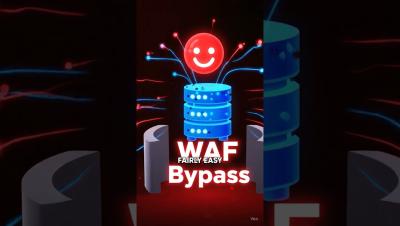
The Secret Backdoor in Your Firewall... How Attackers Get In WITHOUT Hacking!#cybersecurity#InfoSec

Your WAF is Providing a False Sense of Security Improper network configuration can completely nullify the effectiveness of your Web Application Firewall. If attackers can discover your origin server's direct IP address: They can bypass your expensive security controls entirely. Your "internal" services become externally exposed. You have a massive, unknown gap in your defenses. This animation is a clear example of why security doesn't end with buying a tool. Proper integration and a zero-trust mindset are non-negotiable.

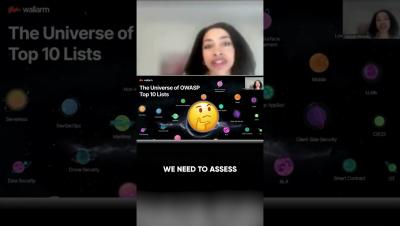
The Business of API Security: Unpacking the Q3 API ThreatStats Report

Q3 provided us with another opportunity to dig into API vulnerabilities, exploits, and breaches. We'll dive into the details, picking out the trends that impact how you defend your APIs. This quarter's report includes a special focus on business logic abuse. Join the webinar to learn.

After the AWS Outage: How to Build Systems That Survive

When AWS goes down, the ripple effects are global, from authentication failures to service disruptions that bring businesses to a standstill. But while every outage makes headlines, the real question is: Why are so many organizations still unprepared? In this live fireside chat, Wallarm’s Field CTO, and STO of Security Edge, Tim Ebbers, unpacks the architectural lessons behind the latest AWS outage — and what engineering, DevOps, and security leaders can do today to prevent history from repeating itself.

How I 'Hacked' an Online Store #businesslogic #ecommerce #cybersecurity #apisecurity

A $10,000 Order for $1? Your Business Logic is Broken Attackers aren't just breaking code; they're exploiting the rules of your business to commit fraud. When your application's logic is flawed: Your payment and fulfillment systems can be desynchronized. You can lose massive revenue to easily preventable abuse. Your inventory and financial reporting become unreliable. Watch how a simple business logic flaw can lead to catastrophic financial loss in this real-world example. Is your e-commerce platform safe?

A CISO's Guide to API Security

APIs are powering digital transformation but also exposing organizations to new risks. Securing them requires collaboration between CISOs, CIOs, and the board. This webinar will demystify the evolving API threat landscape, outline governance strategies, and provide leaders with the tools to communicate API risk in business terms. Key Learnings: Why You Should Attend.