Security | Threat Detection | Cyberattacks | DevSecOps | Compliance

How Generative AI Will Accelerate Cybersecurity with Sherrod DeGrippo

In this episode of Cyber Security Decoded, host Steve Stone, Head of Rubrik Zero Labs, is joined by Sherrod DeGrippo, Director of Threat Intelligence Strategy at Microsoft to discuss the cyber threat landscape. In this episode, you'll hear insights on: Rubrik Zero Labs' “The State of Data Security: The Journey to Secure an Uncertain Future" report provides a timely view into the increasingly commonplace problem of cyber risks and the challenge to secure data across an organization’s expanding surface area.

Beyond Buzzwords: The Truth About AI

Hey there, Razorwire listener! In this episode, we welcome back cybersecurity experts Richard Cassidy and Oliver Rochford to follow up on our AI podcast back in November. Join us for spirited debates on the current state of AI capabilities, imminent impacts to society and business, and thought-provoking speculation on the future of AI and its existential promise and perils.

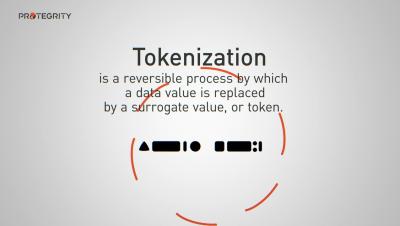
Tokenization: Replacing Data Values One Token at a Time

What is tokenization? This method revolutionized the modern way we protect data. In today’s age, InfoSec teams can deploy keyless and reversible methods with tokens, which replace sensitive Personal Identifiable Information (PII) and store this information in both vaulted and vaultess token look-up tables. When the data is needed, it can be re-identified and accessed by the right parties, ensuring sensitive information remains protected. Watch above to learn more about this revolutionary data protection method.

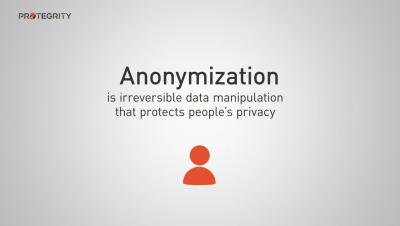
Anonymization: Safeguarding Sensitive Information - Permanently

What is anonymization? InfoSec teams can utilize anonymization to irreversibly scramble sensitive data values, thereby protecting an individual’s private information. If the sensitive information can no longer be linked to an individual, businesses have a better chance of saving on audits, complying with regulatory requirements, and scaling their ability to compete – all leading to revenue increases for your bottom line.

Data De-Identification: The Foundation of Data Protection

De-identifying data is what every data protection method is designed to do, making it the basis of effective cybersecurity. Common data fields that are de-identified by businesses would include names, birth dates, addresses and zip codes, National ID, and Social Security Numbers. By obfuscating sensitive data values through reversible and irreversible methods, your customers and patients can rest easy knowing their data can only be viewed by authorized parties.

Pseudonymization: Replacing Sensitive PII Values to Better Protect Your Data

What is pseudonymization? It’s one of many data protection methods that allow businesses to improve their sensitive data protection across systems by replacing values with pseudonyms. Learn more about this crucial data protection method and learn more about utilizing this method to boost your business’s cyber security posture.