Introducing XDP-optimized denial-of-service mitigation
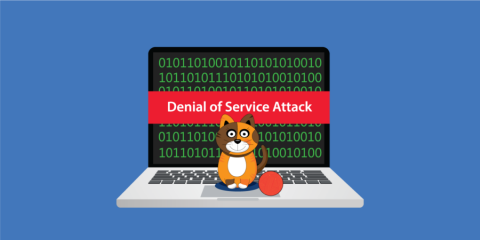
In this article, we’ll explore Calico’s denial-of-service (DoS) mitigation features, including XDP-optimisation support introduced in Calico v3.7.
In an ideal scenario, security would be baked into the development process from the very beginning. Security teams would primarily exist to verify that best practices have been followed at every step in the process. In practice, security is an enormous challenge for most organizations. This challenge is compounded by the increasingly complex and fast-paced nature of modern service-oriented architectures, such as Kubernetes.
Container orchestration and cloud-native computing has gained lots of traction the recent years. The adoption has increased to such level that even enterprises in finance, banking and the public sector are interested. Compared to other businesses they differ by having extensive requirements on information security and IT security. One important aspect is how containers could be used in production environments while maintaining system separation between applications.
We are excited to announce the new security capabilities of Tigera Secure Enterprise Edition 2.4. This release enables enterprise security teams to extend their existing zone-based architectures and easily connect to external resources. The highlights include DNS Policies, Threat Defense, Compliance Dashboard and Reporting, and easier installation options.
New technologies often require changes in security practices. What is remarkable about containers and Kubernetes, is that they also provide the potential for enhancing and improve existing security practices. In this post, I will share a model that we use at Nirmata to help customers understand security concerns and plan Kubernetes implementations that are secure.
A proper container security strategy involves evaluating all components in the system.
Container adoption in IT industry is on a dramatic growth. The surge in container adoption is the driving force behind the eagerness to get on board with the most popular orchestration platform around, organizations are jumping on the Kubernetes bandwagon to orchestrate and gauge their container workloads.
We recently had the opportunity to share the lessons we have learned about container security from deploying Kubernetes and OpenShift in the field. If you don’t have time to watch the full recording of our conversation, here are a few highlights.
Deploying an application on Kubernetes can require a number of related deployment artifacts or spec files: Deployment, Service, PVCs, ConfigMaps, Service Account — to name just a few. Managing all of these resources and relating them to deployed apps can be challenging, especially when it comes to tracking changes and updates to the deployed application (actual state) and its original source (authorized or desired state).
Tigera is excited to announce several new capabilities with Tigera Secure Enterprise Edition 2.3, extending the ability to uncover sophisticated Kubernetes attacks. Tigera Anomaly Detection capabilities provide insight into unusual behaviors that compromise the security and performance of Kubernetes environments.