Security | Threat Detection | Cyberattacks | DevSecOps | Compliance

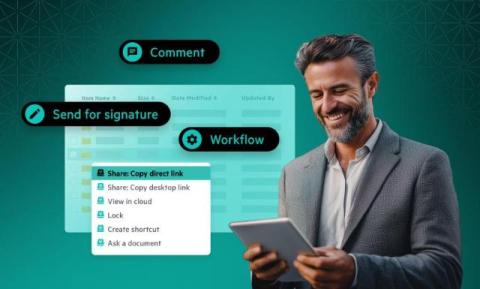
Turn Busywork Into Real Work With Egnyte's AI

It’s Friday afternoon, and you need a quick team update. Five minutes, tops, right? You ping Slack. A few people reply, a few don’t. So, you schedule a “quick sync” to get everyone on the same page. Two hours later, you’ve spent your afternoon chasing updates instead of doing actual work. And you’ll do it all over again next week. Now picture this. You’re collecting product demo videos for an agency.

The Evolution of AI in Financial Services

Opera and artificial intelligence may not seem like natural companions, but they share one important truth: The best performances are revealed over time. Early scenes set the stage, introduce the themes, and create a sense of anticipation. The audience leans in, waiting for the big moments still to come. AI in financial services has followed the same structure.

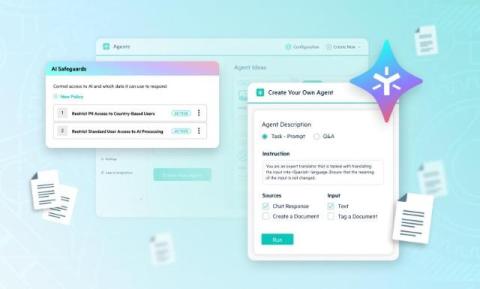
April Release Rollup: AI Assistant, AI Safeguards, and More

We’re excited to share new updates and enhancements for April, including: Dive into the detailed articles below for more info on these updates. You can also join the Egnyte Community to get the latest updates, chat with experts, share feedback, and learn from other users.

From Fragmented Project Data to Institutional Intelligence

Every construction project generates an enormous paper trail that captures the collective intelligence of the firm. Proposals, estimates, subcontractor bids, RFIs, submittals, contracts, schedules, and closeout documentation capture thousands of decisions and lessons learned. Yet for many firms, this knowledge never gets reused. Instead, valuable insights remain buried inside disconnected folders, spreadsheets, emails, and project systems. The result?

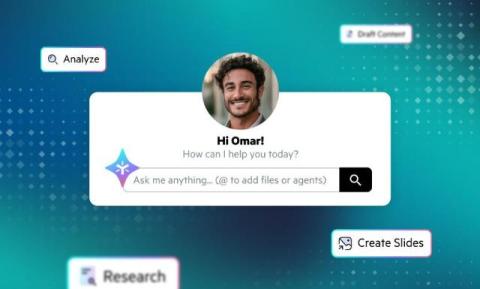
The AI Ecosystem Problem: Why Enterprise AI Still Feels Fragmented

Artificial intelligence is everywhere at work. Yet for many teams, it still doesn’t feel very intelligent. The problem isn’t a lack of AI tools. It’s the opposite. AI has exploded across the enterprise, spreading into dozens of apps, assistants, and models. Each tool promises to help, but together they create fragmentation. Employees end up asking the same question in multiple places, switching between systems, and piecing together answers manually.

Beyond the Checklist: Inspection-Readiness Starts With Building a Culture of Compliance and Transparency

Inspection readiness in life sciences is no longer just about checklists and technical controls. True compliance requires a culture of transparency, strong data governance, and continuous audit readiness. By embedding traceability, accountability, and automated compliance into everyday workflows, organizations can build trust with regulators, reduce inspection risk, and ensure their data integrity supports both regulatory success and patient safety.

Streamlining Collaboration at Scale Through Smarter Access to Massive Construction Files

Modern construction projects generate massive volumes of data, including BIM models, construction drawings, inspection reports, reality capture files, specifications, RFIs, and compliance documents. As projects grow in size and complexity, managing this information becomes increasingly difficult, especially when teams are distributed across offices, jobsites, and external partners.

How Adaptive Block Caching Makes Complex Creative Projects Easier

Whether you’re a video editor, graphic designer, or marketer responsible for building key assets, you know how frustrating working on large-scale creative projects can get. Teams struggle to work with large video and design files, dealing with slow, incomplete renders, freezes, crashes, and misaligned content. When collaborating, those delays and inefficient version keeping lead to lost or overlapping work.

Preconstruction Modernisation: Reducing Risk Before Commitments Lock In

Preconstruction is no longer a buffer between design and delivery. Across UK construction projects, timelines are compressing, risk is shifting upstream, and teams are being asked to commit earlier with less certainty than ever before. At the same time, project information is increasingly fragmented across cloud platforms, project systems, shared drives, and email. Without structured information management, the speed gains from digital tools often amplify uncertainty rather than reduce it.