Security | Threat Detection | Cyberattacks | DevSecOps | Compliance

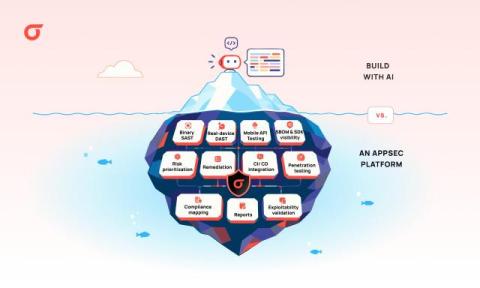
Best MAST Tools in 2026: Top Mobile Application Security Testing Platforms Compared

Your mobile app ships as a compiled binary to millions of devices you do not control. Anyone can decompile it, extract hardcoded secrets, reverse-engineer the logic, and exploit business-logic flaws that no automated scanner catches. Yet most security programs still treat mobile as an afterthought, running a web-focused SAST tool against mobile source code and calling it done. That approach misses platform-specific risks.

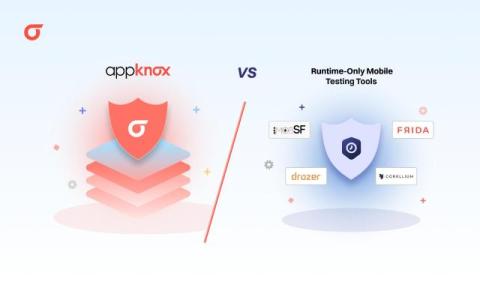
Appknox vs Runtime-Only Mobile Testing Tools: What Dynamic Analysis Cannot See Before the App Runs

Frida hooks into your app's running process in seconds. It intercepts API calls, dumps the keychain, bypasses SSL pinning, and reveals exactly what the app does at runtime. Frida is also the tool attackers use to do the same things to your users. Runtime testing tells you what happens when an app runs under test conditions. It does not tell you whether the app can resist those same tools when an attacker uses them in production. That answer is not in the runtime session. It is in the binary.

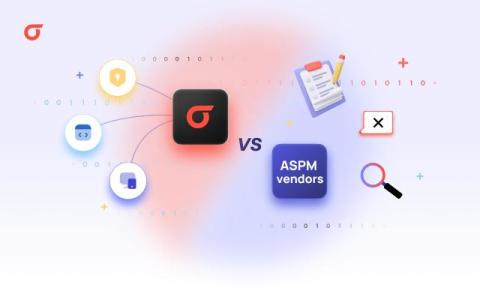
Appknox vs ASPM Vendors: What Application Security Posture Management Misses in Mobile App Security

Your ASPM dashboard shows your mobile security posture. The score reflects what your integrated testing tools found. It does not reflect what they could not test. For mobile apps, the gap between those two things includes the compiled binary, the third-party SDKs linked inside it, and what the app does at runtime on a real physical device. None of that data enters an ASPM dashboard built on source code scan results. The posture view looks complete. The coverage is not.

Best Mobile API Security Testing Tools for CI/CD Pipelines

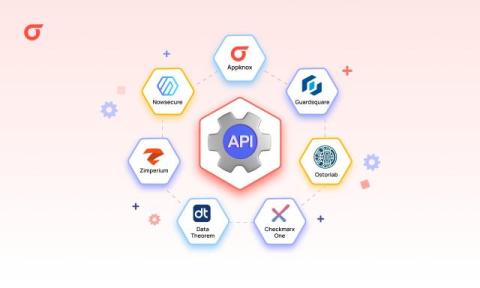
Your pipeline has an API testing stage. Your scanner runs on every build. A finding list comes back clean. And then something gets exploited in production that your pipeline ran past 47 times without flagging. Here's what happened: endpoint validation passed. Security didn't. They are not the same thing. Here's what that box doesn't capture: APIs don't fail in clean test environments.

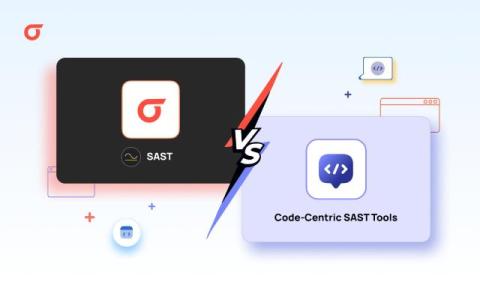
Appknox vs Code-Centric SAST Tools: What Source Code Analysis Cannot See in a Mobile App

Your source code passed every scan. Every code review approved. Every linter ran clean. Your users just downloaded the compiled binary. Those are not the same artifact. Code-centric SAST tools analyze the code you write. Appknox analyzes what you ship. This is not a feature distinction. It is an architectural one, with direct consequences for what gets caught and what does not.

Where Appknox Fits Into the Mobile App Development Tech Stack

Your stack has a SAST. A DAST. An SCA. A SIEM. And probably seven more tools your developers have quietly stopped reading alerts from. None of them were built for mobile. That's not a criticism. It's a fact about what those tools were designed to do. They were built for web applications, network infrastructure, and cloud environments, which were the priorities of a different era. Mobile apps came later. And the security tooling never fully caught up.

CI/CD Security Controls for Mobile App Pipelines: The DevOps Manager's Toolkit

You run the pipeline. You own the releases. And somewhere between the security team's findings and the development team's sprint, you're the one getting asked to explain why nothing is getting fixed. That's not a security problem. It's a coordination problem, and it's structural. According to the DuploCloud AI + DevOps Report, Sep 2025, The pipeline is under more pressure than it's ever been. The attack surface is wider than it's ever been.

Why Your Security Investment Isn't Reducing Risk (+What Actually Does)

Security budgets have never been higher. The average enterprise now runs 50 security tools, and most teams added more last year than the year before. And yet, alert fatigue is at the breaking point. Coverage gaps in mobile and API environments continue to widen. The exploitability problem at the center of most AppSec programs remains unsolved. Breaches keep happening. Risk scores don't move.

Why 'Secure' Mobile Apps Still Get Hacked | Post-Deployment Security

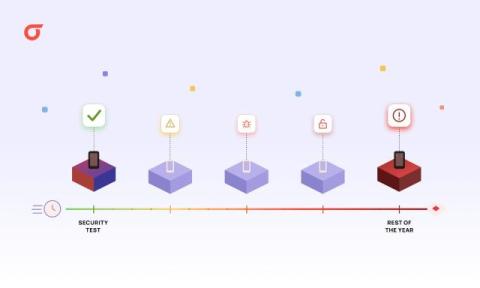
Your app passed testing. CI/CD ran clean. The App Store approved it. Your security team signed off. Six weeks later, attackers are reverse-engineering the binary on rooted devices, injecting JavaScript into your runtime, and probing API endpoints your scanner never modeled. Nothing in the code changed. The threat environment did. This is the central problem of modern mobile application security, and it doesn't get fixed by adding more pre-release scanners.

Security Tools Don't Fail. Adoption Does: Why Developers Ignore Them

81% of development teams knowingly ship code with vulnerabilities. That number gets quoted a lot. Usually to make a point about how developers don't take security seriously. Here's a different reading: most of those developers knew the vulnerability was there. They just couldn't do anything about it in time. That's not apathy. That's a system failure. Feature deadlines are usually less flexible than security work.